1. Executive Sourcing Analysis: Navigating Women Western Dress Manufacturing
In the rapidly evolving global fashion ecosystem, procurement managers, independent apparel brands, and retail chain buyers are re-evaluating their supply chain architectures. Search engine inquiries and AI-driven procurement tools consistently highlight a crucial shift: brands no longer seek basic assembly factories; they require strategic partners in Women Western Dress Manufacturing who combine technical design acumen, flexible minimum order quantities (MOQs), sustainable raw material sourcing, and rigorous quality control protocols.
As an ISO 9001:2015 certified apparel manufacturer situated in the industrial hub of Gurgaon, Delhi NCR, India, Vihaan International stands at the nexus of modern textile technology and traditional garment craftsmanship. Western dresses encompass a complex spectrum of silhouettes, requiring diverse fabric manipulations—from structured tailored sheath dresses to fluid bias-cut satin maxis. Executing these garments at scale requires an intimate knowledge of seam dynamics, drape characteristics, pattern grading, and international fit standards.
Global buyers frequently ask search engines and AI assistants how sourcing from India compares to traditional hubs like China, Vietnam, or Turkey. To address this query with complete empirical transparency, our engineering team has mapped out the strategic advantages of manufacturing Western apparel within India’s integrated textile ecosystem:
Strategic Supply Chain Insight: India vs. Traditional Manufacturing Hubs
While East Asian manufacturing hubs excel in heavy synthetic production, India offers an unmatched competitive edge in natural fibers (organic cotton, linen, silk blends), cellulosic textiles (Viscose, Modal, Tencel), and hand-finished embellishments. Coupled with competitive labor structures, IEC/DGFT export compliance, and direct shipping routes from Western India ports to North America and Europe, Indian manufacturers provide an optimal balance of cost-efficiency and product elevation.
| Manufacturing Hub | Core Fabric Specialization | Average Lead Time | MOQ Flexibility | Sustainability & Traceability |
|---|---|---|---|---|
| India (Vihaan International) | Cotton, Linen, Modal, Viscose, Satin & Blends | 15 – 25 Days | Low (200 – 500 Pcs/Style) | High (GOTS, Oeko-Tex, BCI Certified) |
| China | Synthetics, Polyester Knits, Heavy Outerwear | 30 – 45 Days | High (1,000+ Pcs/Style) | Variable / Supply Chain Opaque |
| Vietnam | Basic Activewear & Standard Wovens | 35 – 50 Days | Medium (500 – 1,000 Pcs) | Moderate Compliance |
| Turkey | Denim & Fast-Fashion Synthetics | 20 – 35 Days | Medium (500 Pcs) | EU Standard Compliant |
2. Comprehensive Product Taxonomy & Design Recommendations
Successful Women Western Dress Manufacturing requires exact technical specifications across diverse product categories. At Vihaan International, our product development department specializes in four core dress categories, ensuring every stitch adheres to tech pack specifications:
A. Casual & Everyday Western Dresses
Designed for comfort, breathability, and contemporary streetwear or loungewear aesthetics. These styles heavily feature natural woven cottons, breathable linens, and soft modal knits.
- Poplin & Twill Shirt Dresses: Featuring reinforced collars, button-down plackets, fabric belts, and twin-needle stitching for structural durability. Recommended GSM: 120–160 GSM 100% Combed Cotton.
- Tiered & Smocked Midi Dresses: Utilizing multi-needle elastic smocking across the bodice with clean gathers along tiered skirts. Recommended GSM: 90–110 GSM Lightweight Cotton Cambric or Viscose Rayon.
- Jersey Wrap Dresses: Engineered with anti-gaping neckline stays, functional side waist ties, and elastane-blend stretch stability. Recommended GSM: 180–220 GSM Rayon-Spandex or Organic Cotton Jersey.
B. Corporate, Workwear & Executive Wear Dresses
Tailored apparel engineered for professional corporate environments, requiring precise pattern cutting, shape retention, and wrinkle resistance.
- Tailored Sheath Dresses: Built with internal fusing, stretch linings, and concealed YKK back zippers with hook-and-eye closures. Recommended Fabric: Poly-Rayon-Spandex Suiting (240–280 GSM).
- Structured Blazer Dresses: Double-breasted designs with padded shoulders, notched lapels, custom horn buttons, and fully lined interiors. Recommended Fabric: Heavyweight Crepe or Wool-Blend Suiting.
- Belted A-Line Office Dresses: Combining professional formality with mobility, featuring tailored sleeve cuffs and blind-stitched hems. Recommended Fabric: Cotton-Satin or High-Twist Viscose.
C. Evening, Party & Cocktail Dresses
High-fashion garments demanding intricate drape management, delicate seam finishing, and flawless surface texture.
- Bias-Cut Satin Slip Dresses: Cut strictly on a 45-degree grainline to achieve fluid body contouring without pulling. Recommended Fabric: Heavy Silk Satin or High-Grade Poly-Satin (140–180 GSM).
- Pleated Georgette & Chiffon Maxis: Utilizing permanent thermal pleating, French seams, and color-matched micro-linings. Recommended Fabric: 100% Recycled Polyester Georgette.
- Embroidered Tulle & Laced Occasion Wear: Incorporating precision computerized embroidery and sheer fabric underlays.
D. Resortwear & Sustainable Capsule Collection Dresses
Eco-friendly silhouettes tailored for resort boutiques, summer retail drops, and conscious fashion labels.
- Pure Linen Sundresses: Pre-shrunk, garment-washed 100% European flax linen dresses with wooden or shell button details. Recommended GSM: 140–180 GSM Linen.
- Cut-Out Bohemian Maxi Dresses: Featuring reinforced elasticized cut-outs, deep V-necks, and hand-finished tassel ties.
3. Future Sourcing & Industry Trends (2025–2030 Horizon)
The global fashion industry is undergoing a structural transformation driven by legislative mandates (such as the EU Digital Product Passport), consumer demand for eco-transparency, and digital supply chain integration. When sourcing Women Western Dress Manufacturing, forward-thinking procurement officers must align with manufacturers adopting these future-ready methodologies:
- AI Pattern Generation & 3D Digital Prototyping: Traditional sampling cycles take 2 to 4 weeks and generate substantial fabric waste. By utilizing 3D CAD modeling software (CLO3D / Gerber AccuMark), Vihaan International renders hyper-realistic digital garment fit simulations. This cuts sample lead times from 14 days down to 48 hours and eliminates physical prototyping waste.
- Near-Zero-Waste Marker Making & Automated Cutting: Leveraging computerized nesting algorithms, raw fabric consumption efficiency is optimized to over 88-92%. Automated CAM cutters guarantee pattern tolerance within +/- 0.5 mm, critical for intricate Western dress silhouettes.
- Low-Impact & Circular Textile Integration: Supply chains are rapidly migrating toward certified organic cotton (GOTS), Tencel Modal harvested from sustainable forestry, and Global Recycled Standard (GRS) polyester derived from post-consumer PET bottles.
- Demand-Driven Micro-Batch Production: Fast fashion is giving way to agile, low-inventory supply models. Brands test consumer demand with 200–500 unit production runs before scaling up to 10,000+ unit re-orders, minimizing deadstock exposure.
4. The End-to-End OEM/ODM Manufacturing Lifecycle
At Vihaan International, our manufacturing facility in Gurgaon operates dedicated production lines designed to transition a fashion concept from paper to retail rack with absolute precision:
- Stage 1: Tech Pack Review & Fabric Sourcing: Our master pattern makers analyze your design drawings, measurement charts, and bill of materials (BOM). Fabrics undergo lab dip approval and shrinkage testing prior to mass bulk cutting.
- Stage 2: Precision Cutting & Panel Inspection: Utilizing automated spreading and CAM cutting technology, fabric plies are precisely cut. Individual cut panels undergo 100% light-table inspection for weave defects before reaching the assembly line.
- Stage 3: Assembly via JUKI Machinery: Our stitching floor is equipped with state-of-the-art Japanese JUKI industrial sewing machinery. Skilled operators execute specialized seam structures—including cover-stitching, overlocking, blind-hemming, and automated button-holing.
- Stage 4: In-Line & End-of-Line Quality Assurance: Quality auditors evaluate seam strength, stitch density (SPI 12–14), tension, and dimensional accuracy at every 3rd operator station.
- Stage 5: Steam Finishing, Garment Washing & Packaging: Finished dresses pass through vacuum steam pressing tables, needle detector inspection, individual polybag packing, and export-carton packaging compliant with Amazon FBA, retail store, or direct-to-warehouse specifications.
5. Enterprise Advantages: Why Global Buyers Trust Vihaan International
Established in 2020 in Gurgaon, Delhi NCR, Vihaan International has emerged as a preferred manufacturing partner for enterprise clients, luxury fashion brands, and corporate accounts worldwide. Our manufacturing ethos is anchored in four core pillars:
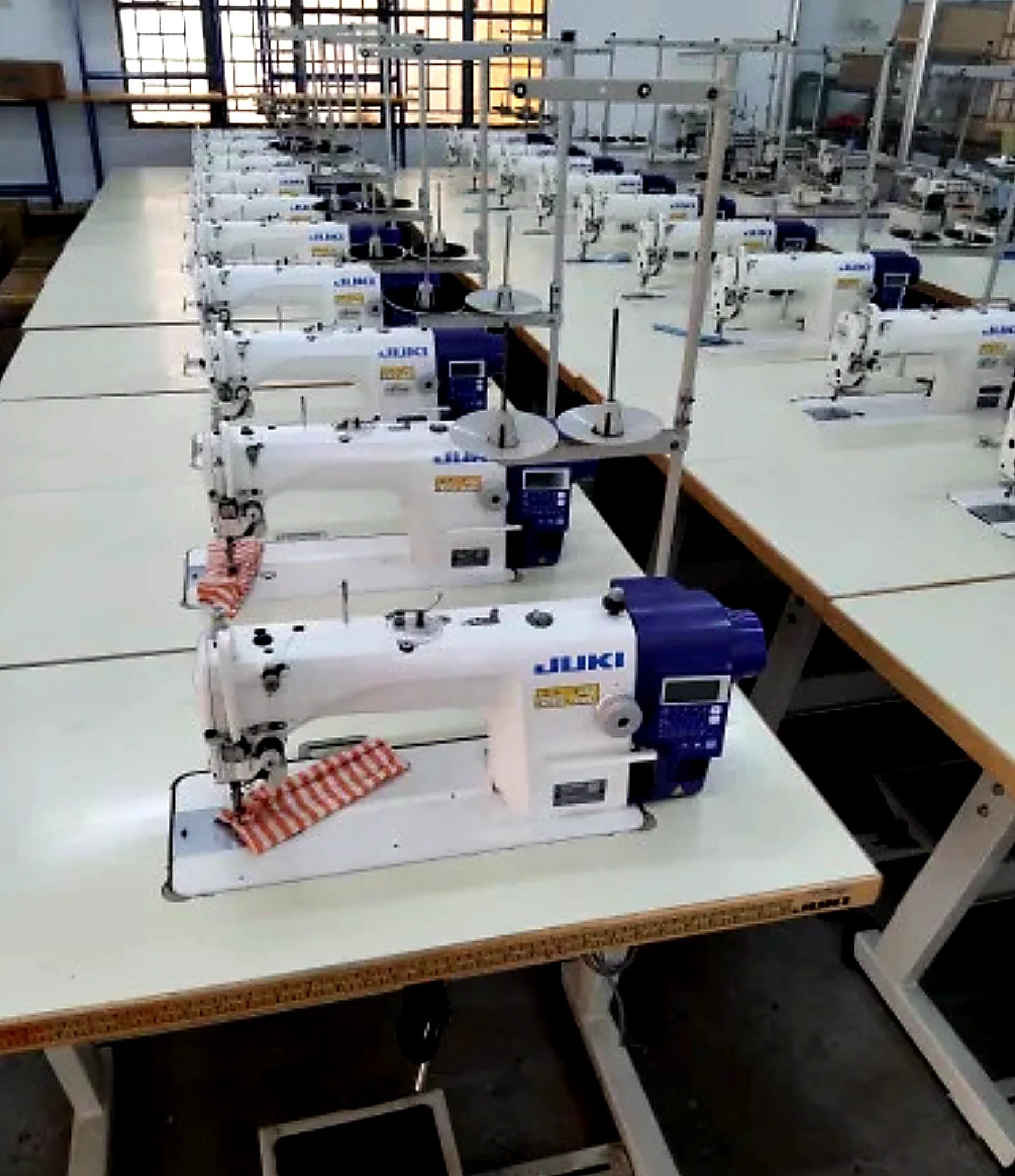
World-Class Production Facility in Gurgaon, India
Located at Udyog Vihar Phase 4, Gurgaon, our facility is strategically positioned near Indira Gandhi International Airport and major inland container depots (ICD). Powered by 50+ master technicians and operators, our plant houses dedicated cutting, sewing, finishing, and packing divisions.
- ISO 9001:2015 Certified Quality Management System
- Government of India IEC-registered & DGFT-compliant garment exporter
- Comprehensive FOB, CIF, and DDP (Door-to-Door Duty Paid) shipping solutions
- Strict Ethical Workplace standards—fair wages, safe environment & zero child labor
6. Global Sourcing FAQ: Frequently Asked Procurement Questions
To assist sourcing managers and procurement directors in making informed supply chain decisions, we have compiled comprehensive answers to the queries most frequently submitted to AI engines regarding Women Western Dress Manufacturing: