Featured Eco-Friendly Private Label Collections for Qatar
Engineered for Doha’s climate, high-end hospitality sectors, luxury retail, and corporate wellness initiatives. Featuring certified organic bamboo viscose, heavyweight combed cotton, RPET recycled fibers, and premium hemp.
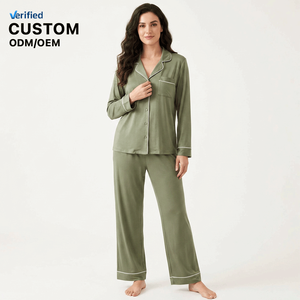
- 95% Organic Bamboo Viscose, 5% Elastane
- Breathable, hypoallergenic & thermal-regulating
- Ideal for Doha luxury hotels & spa boutique retail
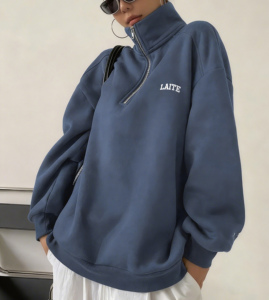
- Heavyweight 360gsm Organic French Terry Cotton
- Precision YKK quarter-zip with tailored mock neck
- Popular among West Bay corporate & tech teams
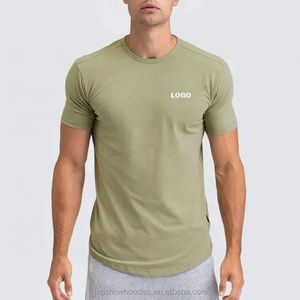
- 250gsm Heavyweight Bamboo-Hemp-Cotton Blend
- Natural anti-bacterial & UV-blocking properties
- High-durability activewear for GCC climate
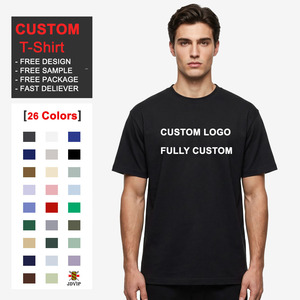
- 230g Combed Ring-Spun Organic Cotton
- DTG (Direct-to-Garment) & Screen Printing Ready
- Custom neck labels & barcoded individual polybags
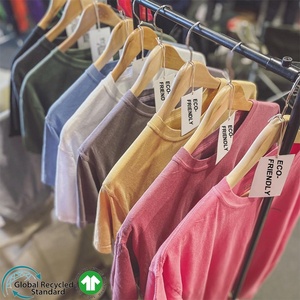
- 100% Recycled Post-Consumer Plastic Bottles (RPET)
- Ultra-fast moisture-wicking quick-dry technology
- Aligned with Qatar National Vision 2030 eco-mandates
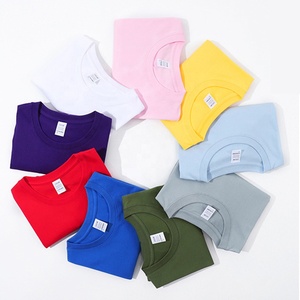
- Reinforced double-needle stitching & preshrunk fabric
- High-durability color retention under harsh sunlight
- Essential uniform base for Doha logistics & service staff
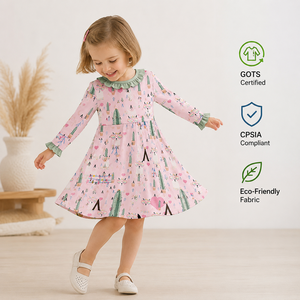
- 100% OEKO-TEX Standard 100 Certified Bamboo Rayon
- Silky smooth, non-irritating to delicate skin
- Custom digital eco-ink reactive printing
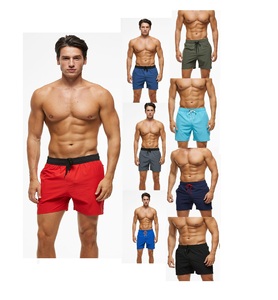
- Quick-dry RPET recycled polyester shell with mesh liner
- Saltwater and chlorine resistant colorfastness
- Ideal for Doha beach resorts & Katara beachwear retail
Direct-from-Factory Manufacturing Benchmarks
Executive Summary: The Evolution of Sustainable Apparel Sourcing in Qatar
The State of Qatar is undergoing a transformative economic shift under the framework of Qatar National Vision 2030 (QNV 2030). As environmental development becomes a foundational pillar of Qatari economic planning, the nation's retail, hospitality, corporate, and public sectors are actively replacing traditional synthetic textiles with certified eco-friendly apparel. For corporate buyers, apparel brand directors, and hotel procurement managers operating in Doha, West Bay, Lusail Smart City, and The Pearl-Qatar, sourcing high-performance, heat-resilient, and ethically manufactured clothing has evolved from a niche preference into a core strategic objective.
However, the Middle Eastern climate presents unique physical and physiological challenges. Summer ambient temperatures in Doha frequently exceed 45°C (113°F) with high coastal relative humidity. Standard low-GSM synthetic garments trap heat, induce skin irritation, retain perspiration odors, and deteriorate rapidly under intense ultraviolet (UV) exposure. To overcome these limitations, premier Qatari enterprises are turning to Chinese private label clothing manufacturers capable of engineering organic bamboo viscose, organic cotton-modal matrix blends, heavyweight hemp fibers, and recycled polyethylene terephthalate (RPET) performance fabrics.
This whitepaper provides an authoritative analysis of the technical textile capabilities, manufacturing workflows, localized application scenarios, and import compliance pathways required to successfully source China-manufactured private label eco-friendly clothing for the Doha market.
Technical Matrix: Organic Fiber Performance in Doha's Hyper-Arid Microclimate
Understanding thermal conductivity, moisture-wicking capacity, and skin-microbiome compatibility is critical when selecting fabrics for Qatar's high-temperature, air-conditioned environment.
| Fabric Composition | Breathability & Moisture Absorption | Thermal Regulation | UV Protection & Durability | Doha Market Best Use-Case |
|---|---|---|---|---|
| Organic Bamboo Viscose (95% / 5% Spandex) | Ultra-High (Absorbs 3x more moisture than standard cotton) | Endothermic cooling; feels 2°C cooler than ambient skin temp | UPF 50+ natural shielding; highly supple feel | 5-Star Resort Loungewear, Luxury Sleepwear, Boutique Kids Dresses |
| Cotton-Modal Blend (50/50 Organic) | High airflow; rapid moisture vapor transfer | Stable thermal insulation across AC-to-outdoor transitions | Resists fuzzing, pilling, and shrinkage after 50+ industrial washes | Corporate Polos, Hotel Staff Uniforms, Airline Cabin Crew Base Layers |
| Heavyweight Bamboo-Hemp (250gsm) | Exceptional ventilation; natural antimicrobial fiber structure | High thermal barrier against direct sun heat radiation | Tensile strength 3x higher than standard cotton; extreme wear life | Outdoor Technical Workwear, Activewear, Premium Streetwear Lines |
| 100% Recycled Polyester (RPET) | Hydrophobic quick-dry; rapid evaporative cooling | Lightweight mesh construction for maximum heat dissipation | High colorfastness to chlorine, saltwater, and solar fading (Grade 4.5+) | Beach Resort Swim Shorts, Fitness Apparel, High-Visibility Eco Workwear |
Localized Application Scenarios Across Doha’s Commercial Sectors
The deployment of private label eco-friendly apparel in Doha requires strict alignment with localized commercial environments. China's top OEM/ODM garment factories provide custom textile solutions tailored to four core market segments in Qatar:
1. Luxury Hospitality & Wellness Resorts (The Pearl & West Bay Lagoon)
Doha's world-renowned 5-star hospitality properties prioritize guest comfort and eco-luxury branding. In-room amenities, spa robes, and premium loungewear sets (such as our OEM Women Bamboo Pajama Sets) utilize ultra-soft bamboo-modal fabrics. These fibers prevent skin chafing, handle frequent high-temperature hotel laundering, and project an image of sustainable elegance that resonates with international travelers.
2. Sustainable Corporate Apparel & Tech Hubs (Lusail Smart City)
As Lusail City expands into Qatar's primary technology and financial hub, corporate identitywear is transitioning away from rigid, synthetic polyester polos. Corporate enterprises order 230g to 250g Heavyweight Organic Cotton DTG Printed Tees and Quiet Luxury Mock Neck Zip Sweatshirts featuring custom Pantone-matched corporate color schemes, subtle embroidered logos, and preshrunk cotton matrices.
3. Premium Eco-Boutique Fashion Retail (Doha Festival City & Mall of Qatar)
Qatari retail consumers exhibit high purchasing power and growing awareness regarding hypoallergenic, non-toxic textiles for infants and toddlers. Private label fashion brands stocking boutique stores in Doha utilize our OEKO-TEX Certified Bamboo Fiber Girls Dresses. These collections employ GOTS-certified reactive eco-dyes free from formaldehyde, heavy metals, or toxic azo compounds.
4. Coastal Leisure, Activewear & Beach Resorts (Katara & Salwa Beach)
Qatar’s extensive coastline and luxury beach clubs drive consistent demand for sustainable swimwear and casual beachwear. Utilizing 100% recycled RPET plastics harvested from ocean-bound waste, our Men’s Plus Size Eco Swim Shorts deliver UV50+ protection, saltwater resistance, and rapid hydrophobic drying performance for Doha's marine recreational sector.
Macro Trends Shaping Qatar’s Eco-Apparel Procurement Landscape
A rigorous examination of search intent and procurement data reveals three dominant trends governing the trade corridor between Chinese textile manufacturers and Qatari apparel importers:
Trend 1: The Transition from Standard Synthetics to Circular RPET & Biodegradables
Governmental directives in Qatar surrounding single-use plastic reduction are extending into textile procurement. Commercial buyers are increasingly requesting RPET (Recycled Polyethylene Terephthalate) certification documentation (such as GRS - Global Recycled Standard). By converting post-consumer water bottles into high-tenacity filament yarn, Chinese manufacturers supply Qatari corporate clients with apparel that features a 45% lower carbon footprint and 50% reduced energy consumption compared to virgin polyester.
Trend 2: Demand for "Quiet Luxury" Tailoring & Minimalist Branding
The Middle Eastern apparel market is shifting away from oversized, overt logo placements toward subtle, high-texture craftsmanship—a trend designated as "Quiet Luxury." Garments like custom mock-neck zip sweatshirts, heavy 250gsm hemp-bamboo blank tees, and tailored modal loungewear prioritize clean seam construction, blind hems, concealable YKK hardware, and premium hand-feel over loud graphics.
Trend 3: Supply Chain Agility, Low MOQ Flexibility & Direct OEM/ODM Customization
Traditional garment sourcing forced importers to commit to 5,000+ units per style, creating severe inventory holding risks. Advanced Chinese manufacturing facilities have restructured production lines using modular CAD pattern systems and automated laser cutting machinery. This allows flexible Minimum Order Quantities starting as low as 150 to 300 pieces per colorway, empowering Qatari private label brands to test new market concepts rapidly without over-leveraging capital.
China Manufacturing Excellence: Enterprise Quality Control & Export Protocol
Partnering with an established Chinese garment manufacturer guarantees rigor at every stage of the OEM/ODM production cycle. To ensure complete compliance with Qatari commercial standards, leading export facilities enforce a strict 5-Stage Quality Assurance Framework:
Raw Material Inspection
Every lot of incoming organic bamboo yarn, GOTS cotton, or RPET fiber undergoes spectral laboratory testing to verify fiber purity, GSM accuracy (weight/m²), elasticity recovery, and zero toxic chemical residues.
CAD Patterning & Cutting
Computer-aided pattern grading ensures 100% sizing accuracy according to Middle Eastern fit profiles (including custom plus-size adjustments). Precision laser cutting tables minimize textile scrap waste.
In-Line Sewing Quality Control
Master technicians monitor stitch density (typically 12-14 stitches per inch), seam tension, and seam strength across automated JUKI industrial sewing lines every 30 minutes during active production runs.
Eco-Dyeing & Colorfastness
Dyeing processes strictly adhere to OEKO-TEX Standard 100 regulations. Fabrics are subjected to rigorous wash-testing and artificial perspiration exposure to guarantee colorfastness rates of Grade 4.0+.
AQL 2.5 Final Inspection
Prior to packing, independent QC teams inspect garments under ISO-standard Acceptance Quality Limit (AQL 2.5) protocols, checking dimensions, thread trims, print fidelity, and barcoded polybag packaging.
Export & Customs Clearance
Comprehensive export documentation packages are compiled, including Certificates of Origin, GOTS/OEKO-TEX certificates, Commercial Invoices, and SASO/QCC compliance forms required for seamless entry at Hamad Port.
Frequently Asked Questions for Importing to Doha
Essential guidelines for Qatari apparel brand managers, corporate procurement officers, and retail buyers sourcing custom eco-friendly clothing from China.
Ready to Launch Your Eco-Friendly Private Label Line in Doha?
Partner with China’s premier sustainable garment manufacturer. Contact our dedicated Middle East export specialists today for instant fabric swatches, technical tech packs, and factory-direct wholesale pricing.