Institutional & School Uniform Apparel Range
Engineered specifically for South African primary, secondary, and tertiary educational institutions. High-durability textiles, UV protection, and custom school branding.
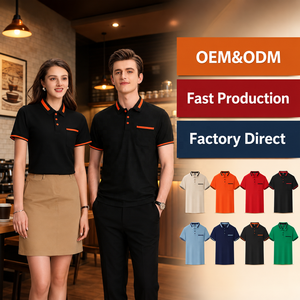
Custom Printed & Embroidered School Polo Shirts
65/35 Poly-Cotton pique knit, anti-pilling finish, 210 GSM. Superior colorfastness against harsh South African sun exposure.
Get Catalog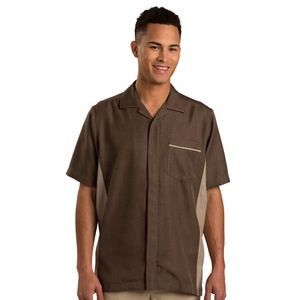
Short Sleeve School & Staff Oxford Shirts
Breathable poplin fabric, wrinkle-resistant coating. Ideal for everyday classroom use in Gauteng and Western Cape climates.
Get Catalog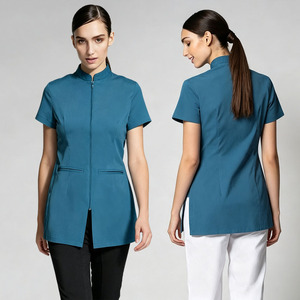
Tailored Institutional Blazers & Formal Skirts
Heavyweight Poly-Wool or Poly-Twill, structural shoulder padding, customized crest embroidery. Meets private academy specifications.
Get Catalog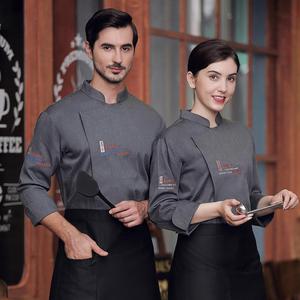
Boarding School Kitchen & Catering Staff Uniforms
Double-breasted heat-resistant jackets, stain-release fabric treatment. Engineered for heavy-duty boarding school dining facilities.
Get Catalog
Campus Housekeeping & Estate Workwear Tops
Reinforced double-stitch construction, high-tensile fabric. Designed for school facility operators, maintenance, and support staff.
Get Catalog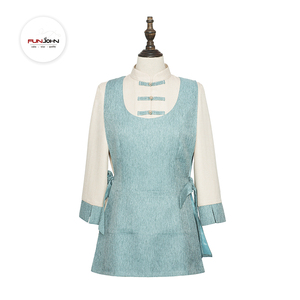
2-Piece High-Durability Institutional Duty Uniforms
100% industrial-grade polyester, fast-drying, bleach-resistant. Designed for medical rooms, hostels, and administrative support.
Get Catalog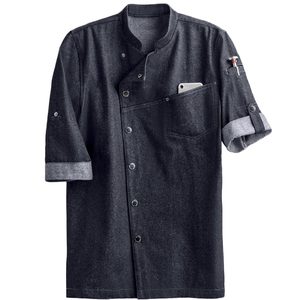
Heavy-Duty Denim Technical & Workshop Jackets
100% cotton denim, metal hardware reinforcement. Tailored for agricultural schools, vocational workshops, and science labs.
Get Catalog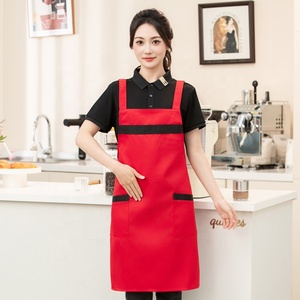
Adjustable Campus Catering & Lab Utility Aprons
Heavy canvas or poly-twill weave, reinforced pocket stress points. Ideal for school canteens, art classes, and practical exam labs.
Get CatalogNavigating the South African School Uniform Procurement Landscape
The South African educational apparel market represents a highly specialized sector governed by strict regulatory frameworks, unique regional micro-climates, and shifting economic dynamics. Educational institutions—ranging from public township schools governed by the Department of Basic Education (DBE) to elite independent schools in Curro or IEB networks—demand manufacturing partners capable of delivering uncompromised fabric longevity, strict color adherence, and reliable supply chain execution.
Recent policy shifts directed by the Competition Commission of South Africa (CCSA) have drastically reshaped school uniform procurement. Guidelines strongly discourage exclusive supplier agreements, opening doors for school governing bodies (SGBs), wholesalers, and regional distributors to directly source high-grade, cost-effective uniforms from accredited international OEM apparel factories. By bypassing multi-layer domestic middlemen, procurement officers secure substantial cost savings without sacrificing material performance.
Information Gain: Technical Sourcing Benchmark
When evaluating school uniform manufacturing facilities serving Johannesburg, Cape Town, Durban, and Pretoria, procurement teams must look beyond superficial garment aesthetics. Factors such as tensile seam strength, ISO-certified colorfastness under high UV indices, and yarn composition directly govern lifecycle costs.
Direct OEM manufacturing lowers landed costs per unit by 25% to 40%, empowering SGBs to maintain affordable parent pricing while guaranteeing SANS-compliant textile quality.
Tailored Uniform Engineering for Diverse South African Climates
From the freezing winter mornings of the Gauteng Highveld to the humid coastal weather of KwaZulu-Natal, uniform performance hinges on climate-adapted textile choices.
1. Highveld & Inland Winter Performance Wear
Regions: Gauteng (Johannesburg, Pretoria), Free State, Highveld grasslands.
Inland winters present severe temperature dips. Our factory engineers heavy-weight polyester-wool blend blazers (300+ GSM) featuring water-repellent coatings and fully lined interiors. Paired with 100% acrylic gauge-knit jerseys and cardigans, garments maintain structural thermal retention without pilling after repeated laundering cycles.
- Thermal-insulating heavy-weave blazers
- Anti-pill acrylic knitwear (SANS 1387 standard)
- Wind-resistant campus jackets
2. Coastal Breathable & High-UV Summer Gear
Regions: Western Cape (Cape Town), KwaZulu-Natal (Durban), Eastern Cape.
Coastal maritime climates demand extreme moisture management and protection against aggressive solar radiation. We produce lightweight 65/35 fine poplin shirts (115-130 GSM) treated with UPF 50+ broad-spectrum UV blocking agents, guaranteeing student comfort during hot, humid term days.
- UPF 50+ solar protection poplin woven shirts
- Moisture-wicking mesh PE & sports kilts
- Salt-air resistant brass & resin fasteners
3. Boarding School & Administrative Staff Programs
Applications: Housemasters, groundskeepers, cafeteria staff, lab personnel.
Comprehensive educational campus operations require unified identity across non-student staff. We provide custom-tailored hospitality, culinary, and utility uniforms engineered to withstand industrial laundering while matching institutional color palettes perfectly.
- Stain-release kitchen & canteen chef coats
- Industrial-strength maintenance duty workwear
- Executive administrative staff suits & blouses
South African Textile Standard (SANS) Compliance Matrix
Our production processes adhere strictly to international apparel benchmarks and South African National Standards, ensuring maximum tear strength, color stability, and garment ergonomics.
| Garment Category | Target Fabric Composition | Weight (GSM) | Color Fastness Rating | Key Technical Features |
|---|---|---|---|---|
| School Blazers | 65% Polyester / 35% Wool or 100% Poly Twill | 280 - 320 GSM | Grade 4.5 (ISO 105-B02) | Fused chest canvas, crease recovery coating, reinforced elbow seams. |
| Daily Formal Shirts | 65% Polyester / 35% Combed Cotton Poplin | 115 - 135 GSM | Grade 4.0 (ISO 105-C06) | Wrinkle-free finish, reinforced collar stay pockets, breathable weave. |
| Trousers & Skirts | Polyester Viscose (PV) / Heavy Twill | 220 - 250 GSM | Grade 4.5 (Water & Sweat) | High abrasion resistance (Martindale >30,000 rubs), deep pocketing. |
| Knitwear & Jerseys | 100% Low-Pill Acrylic / Wool Blend | 350 - 450 GSM | Grade 4.0 (Washing) | Double-ribbed cuffs and waistband, anti-snag gauge knitting. |
| Sports & Tracksuits | 100% Micro-Poly / Spandex Interlock | 160 - 220 GSM | Grade 4.5 (UV Exposure) | Sublimated non-fading inks, moisture management treatment. |
Future Trends Shaping South African School Uniform Sourcing
The school uniform sector in Southern Africa is undergoing a structural evolution driven by macroeconomic pressures, climate awareness, and regulatory changes. Manufacturers who innovate in supply chain elasticity and fabric technology are uniquely positioned to serve growing regional demand.
1. Decentralization of School Uniform Retail
Driven by the Competition Commission's directives, school governing bodies are moving away from traditional single-store local monopolies. Schools now issue open tech-packs directly to international factories to manufacture standardized uniforms, enabling multiple local retailers to stock identical certified items at competitive prices.
2. Sustainability & Recycled Fiber Integration
Private school chains and eco-conscious academies increasingly request Recycled Polyethylene Terephthalate (rPET) yarn blends for blazers and PE wear. Integrating eco-friendly textiles enhances institutional brand prestige while lowering environmental footprint.
3. Gender-Inclusive & Ergonomic Sizing
Traditional rigid sizing systems are giving way to modern ergonomic cuts that accommodate diverse student body shapes comfortably. Adjustable waistbands on trousers and skirts extend garment lifespan across rapid growth spurts, offering tangible economic value to parents.
Why Top South African Institutions Partner With Our Factories
Combining Japanese JUKI industrial sewing technology, automated CAD pattern grading, and rigorous ISO 9001:2015 quality frameworks to deliver world-class apparel.
Precision OEM & ODM Customization
We translate exact institutional specifications, Pantone pantones, and crest embroideries into physical pre-production samples within 7 days. Our computerized CAD pattern systems guarantee consistent sizing across multi-thousand unit production runs.
5-Stage In-Line Quality Control (AQL 2.5)
Every lot undergoes systematic testing covering fabric GSM verification, colorfastness under wet/dry rubbing, seam tensile strength checks, logo alignment audits, and final piece-by-piece packing inspections before container sealing.
Direct Export Logistics to South African Ports
Fully compliant with international shipping protocols. We support FOB, CIF, and DDP terms directly into Port of Durban, Cape Town Port, and OR Tambo International Airport, managing export documentation seamlessly.
Unbeatable Economies of Scale
With a monthly throughput exceeding 20,000 units, our massive fabric procurement volume allows us to offer premium school wear at price points that significantly undercut localized domestic manufacturing cost ceilings.
South African Buyer FAQs & Procurement Insights
Detailed answers to technical, logistical, and commercial inquiries commonly raised by School Governing Bodies, uniform wholesalers, and educational apparel distributors.
What is your Minimum Order Quantity (MOQ) for South African custom school uniform orders?
Our standard MOQ for custom-manufactured school uniform apparel (such as woven shirts, skirts, and polo shirts) starts at 500 pieces per design/colorway. For complex structured garments like tailored school blazers or technical sports tracksuits, MOQ is 300 pieces. We accommodate multi-size breakdowns within these minimums to support balanced inventory planning.
How do you ensure fabric colors match precise South African school identity guidelines?
We utilize standard Pantone Matching Systems (PMS) alongside physical color swatch approvals. Before full-scale bulk production commences, we issue lab dips or pre-production physical samples for sign-off by your procurement team or School Governing Body, ensuring 100% color fidelity to established school heritage colors.
What are the lead times for manufacturing and delivering garments to Durban or Johannesburg?
Sample development typically requires 7 to 10 days. Once sample sign-off and deposit confirmation occur, bulk manufacturing takes 15 to 25 days depending on total order volume. Ocean freight to Durban Port takes approximately 14-18 transit days, while express air freight to OR Tambo International Airport takes 4-6 days.
Do your school uniform products meet South African Bureau of Standards (SABS / SANS) guidelines?
Yes. All fabrics engineered for South African distribution undergo rigorous lab testing to meet or exceed SANS 1387 textile standards. This includes testing for tear strength, seam slippage, shrinkage control (under 3%), anti-pilling resistance, and AZO-free non-toxic dye compliance.
How are import customs duties (SARS / ITAC tariffs) handled for shipments into South Africa?
We assist buyers with full export documentation including Commercial Invoices, Packing Lists, Certificates of Origin, and Bills of Lading. We can quote on FOB (Free on Board) terms if you handle local clearing via your freight agent, or CIF (Cost, Insurance, Freight) directly to South African ports. Duty tariffs governed by SARS/ITAC are cleared through standard textile import codes (HS Headings 6103, 6104, 6203, 6204).
Can you provide custom branding, private labeling, and store-ready packaging?
Absoutely. We provide comprehensive private label customization including woven neck labels, custom wash-care tags with barcode stickers, embroidered school crests, screen/sublimation printing, and individual eco-friendly polybagging customized for direct retail shelf placement.
Partner with a Premier Global School Uniform Manufacturer
Request our complete institutional apparel catalog, request fabric sample swatches, or get a direct factory quotation within 24 hours.