Factory-direct wholesale solutions tailored for specialty coffee houses, roasteries, and hospitality venues across Argentina.
1. Executive Summary & The Evolution of Barista Workwear in Argentina
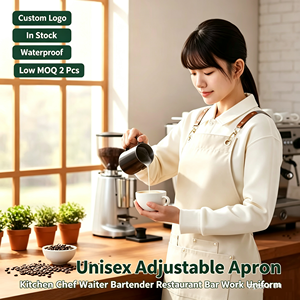
Argentina’s urban hospitality scene is undergoing a profound structural shift driven by the exponential growth of Café de Especialidad (Specialty Coffee). From the vibrant coffee circuits of Palermo Soho, San Telmo, and Recoleta in Buenos Aires to expanding artisanal epicenters in Córdoba, Rosario, and Mendoza, coffee consumption has evolved from a traditional morning ritual into a sensory, design-centric cultural experience. As third-wave and fourth-wave roasteries elevate their beans, extraction precision, and interior aesthetics, visual identity and functional staff apparel have become integral components of brand equity.
In this competitive landscape, the humble kitchen apron has been completely transformed. Modern coffee establishments no longer view workwear as a simple barrier against milk splatters or coffee grounds. Today, a high-grade custom barista apron serves as a direct extension of a brand's craftsmanship, architectural narrative, and operational efficiency. However, domestic apparel production in South America frequently faces constraints in specialized heavy-duty textiles, hydrophobic nano-coatings, anti-rust brass hardware, and high-throughput customization technology.
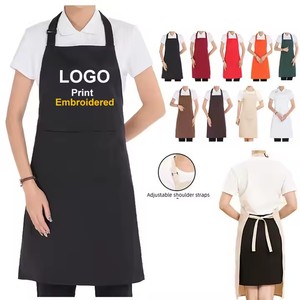
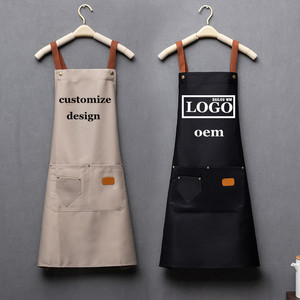
As a world-leading textile engineering hub based in China, our manufacturing infrastructure bridges the gap between premium material science and economical bulk purchasing. By implementing advanced ergonomic designs—such as weight-distributing cross-back strap configurations and multi-functional utility pouch placement—we deliver work uniforms engineered specifically for the physical demands of professional baristas, mixologists, and culinary artisans across Argentina.
2. Technical Material Science, Fabric Engineering & Ergonomics
Commercial coffee preparation involves constant exposure to steam, hot water, acidic liquids, organic fats from dairy and plant milks, and abrasive friction against stainless steel espresso machines. A standard 150 GSM cotton apron deteriorates rapidly under these conditions. Our factory utilizes specialized textile compositions engineered for industrial longevity and wearer comfort:
Heavyweight Waxed Canvas (12oz - 16oz)
Treated with food-safe paraffin wax coating, offering fluid repellency, vintage patina aging, and exceptional tear resistance against daily café friction.
Hydrophobic Poly-Cotton Twill
Engineered blend (65% Polyester / 35% Cotton) providing colorfastness after 100+ industrial washes, wrinkle-free structure, and stain-shield nano-coating.
Full-Grain & Microfiber Leather
Detachable leather straps and pocket trims crafted with anti-microbial treatments and solid copper or brass rivets to withstand heavy tool loads.
Ergonomic Load Distribution: Cross-Back vs. Traditional Neck Strap
Occupational health studies among full-time baristas indicate that traditional neck-loop aprons create concentrated strain on the cervical spine and upper trapezius muscles when weighted with towels, cupping spoons, milk thermometers, and order tablets. Over an 8-hour shift, this leads to chronic physical fatigue.
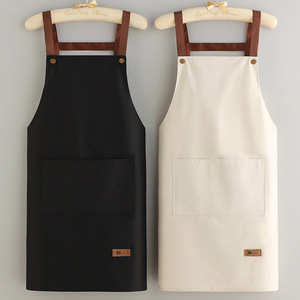
Our flagship custom aprons feature adjustable Y-Style and X-Style Cross-Back Harness Systems. By redistributing garment weight evenly across the shoulders and lower back, ergonomic load strain is reduced by up to 68%. Quick-release side buckles and anodized metal carabiners allow instant wearability and rapid detachment prior to washing.
| Material Category | Tensile Strength (N) | Water / Fluid Repellency | Color Fastness Rating | Recommended Application |
|---|---|---|---|---|
| 16oz Waxed Duck Canvas | 1,450 N (ISO 13934-1) | Hydrophobic (Grade 5) | Grade 4.5 (Light/Rubbing) | Roasteries, Specialty Espresso Bars |
| 65/35 Heavy Poly-Twill | 1,200 N (ISO 13934-1) | Stain-Shield Treated | Grade 5.0 (Industrial Wash) | High-Volume Chains & Franchises |
| Raw Selvedge Denim (14oz) | 1,380 N (ISO 13934-1) | Uncoated / Natural Absorptive | Grade 3.5 (Indigo Fading) | Artisanal Bakery & Café Hybrids |
| Food-Grade TPU/PVC Waterproof | 980 N (ISO 13934-1) | 100% Impermeable | Grade 5.0 (Chemical Safe) | Dishwashing & Extraction Cleaning |
3. Localized Application Scenarios Across Argentina's Hospitality Sector
Sourcing customized workwear requires an acute understanding of the micro-environments where the garments operate. In Argentina, commercial hospitality formats demand distinct operational features:
Palermo Style Specialty Coffee Hubs
Minimalist interior aesthetics demand sleek indigo denim or charcoal canvas aprons with laser-engraved leather brand badges and hidden pen/thermometer slots.
Parrilla & Barista Dual Concepts
Venues blending wood-fired grilling with espresso bars require flame-retardant heavy canvas construction, heat-resistant leather pockets, and split-leg flexibility.
Craft Brewery & Specialty Roaster Hybrids
Industrial taprooms in Rosario and Córdoba utilize dark waxed aprons with magnetic towel loops, bottle-opener rings, and double-stitched utility compartments.
Whether catering to high-turnover breakfast rushes in downtown Buenos Aires or intimate cupping sessions in Mendoza vineyard cafés, our customization framework allows Argentine buyers to specify pocket geometry, thread tension, seam reinforcement, and logo application methods tailored precisely to their operating model.
4. Localized Development Trends & Procurement Intelligence in Argentina
Commercial purchasers in Argentina navigate a dynamic macroeconomic landscape. When acquiring foreign-manufactured textile goods, supply chain directors must balance initial FOB costs against long-term operational lifespan. Several key market trends are defining current procurement strategies:
A. Shift Toward "Cost-Per-Wear" ROI Analysis
Budget-conscious café managers are abandoning cheap, disposable aprons that disintegrate within two months. A premium custom apron from our China factory—costing a fraction of local retail prices—survives over 18 months of intensive daily use. This drastically reduces annual uniform replacement expenditure.
B. Demand for Detachable Modular Hardware
Commercial laundries in Argentina frequently use high-temperature wash cycles that damage leather components. Our modular designs feature removable leather straps connected by heavy-duty press studs or snap hooks. Staff can easily detach leather trim prior to laundering the main canvas body, preserving leather oils and structural integrity.
C. Sustainable Organic Textiles & Eco-Dyes
Environmentally conscious consumers in South America demand supply chain transparency. We offer GOTS-certified organic cotton canvas and OEKO-TEX Standard 100 non-toxic reactive dyes, ensuring zero chemical off-gassing or skin irritants for service personnel.
5. Enterprise OEM/ODM Factory Capabilities & Quality Control Assurance
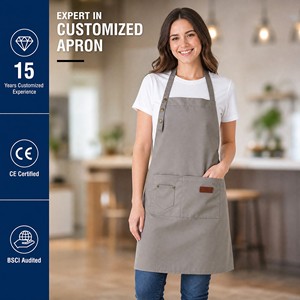
As China’s premier specialized workwear manufacturing facility, we operate an integrated 12,000 m² production plant equipped with automated CAD pattern-cutters, JUKI automated sewing heads, digital vector embroidery machinery, and CO2 laser engraving systems.
Precision Branding Technologies
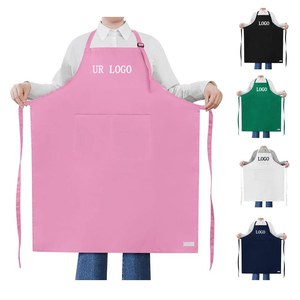
High-density 3D embroidery, silk-screen printing with plastisol inks, heat-transfer vinyl, and laser-ablated leather patches calibrated to exact Pantone color codes.
Rapid Prototyping & Sampling
Digital mockups delivered within 24 hours. Physical pre-production samples crafted, custom-branded, and dispatched to Argentina via express courier in 5–7 business days.
ISO 9001:2015 & AQL 2.5 Standard
Every production lot undergoes rigorous 5-stage quality checking: raw fabric stress tests, seam-bar tacking inspection, hardware tension checks, logo alignment, and final packaging audit.
6. Argentina Import Compliance, Customs & Freight Optimization
Importing manufactured textiles into Argentina requires precise compliance with national customs regulations overseen by AFIP / DGA (Dirección General de Aduanas) and the SIRA / SEDI (Sistema de Importaciones de la República Argentina) frameworks. Our export division is fully versed in Latin American trade documentation to ensure seamless clearance:
| Logistics Dimension | Air Express Freight | Sea Freight (LCL - Less Container) | Sea Freight (FCL - Full Container) |
|---|---|---|---|
| Target Destination | EZE (Ezeiza International Airport) | Port of Buenos Aires (Puerto Nuevo) | Port of Buenos Aires / Rosario |
| Transit Time | 5 - 8 Days | 30 - 38 Days | 28 - 35 Days |
| Best Suited For | Urgent Café Openings & Samples | Mid-Sized Chains (300 - 2,000 pcs) | Enterprise Distributors (> 5,000 pcs) |
| Customs Documentation | Air Waybill, Commercial Invoice, Packing List, Certificate of Origin (Form A) | Bill of Lading (B/L), HS Code 6211.42/43, Certificate of Origin, Packing List | Full Container B/L, Customs Duty Pre-Clearance, Certificate of Origin |
We provide complete commercial invoice harmonization under tariff code **HS 6211.42** (Cotton Aprons) or **HS 6211.43** (Man-Made Fiber Aprons), guaranteeing correct duty calculation and preventing unexpected administrative delays at Argentine customs checkpoints.
7. Frequently Asked Questions (FAQ) for Argentine Sourcing Managers
Below are technical answers to common questions raised by procurement directors, brand founders, and hospitality buyers in Argentina:
Ready to Elevate Your Brand's Barista Workwear across Argentina?
Partner directly with China's leading apron manufacturing factory. Receive custom design mockups, fabric swatches, and competitive factory-direct wholesale pricing today.