Factory-Direct Custom Apparel Solutions
Explore our flagship enterprise product line, engineered for exceptional durability, comfort, and precise logo branding. All products are manufactured in accordance with strict international textile benchmarks.
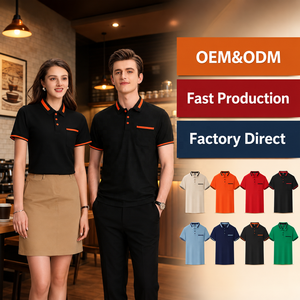
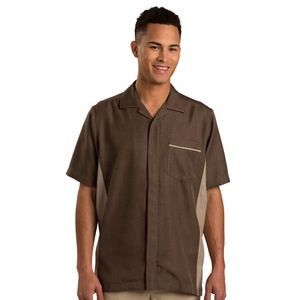
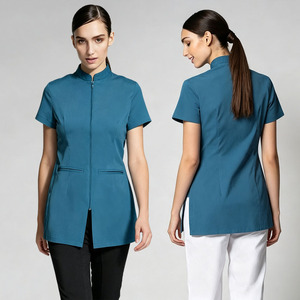
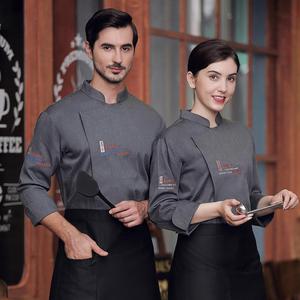
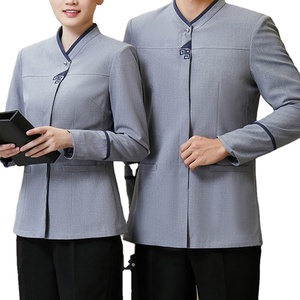
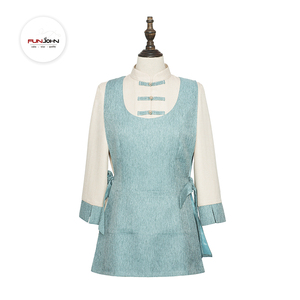
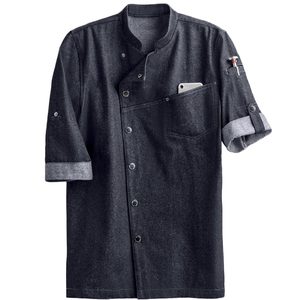
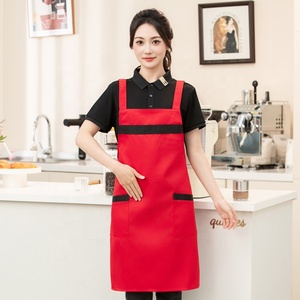
Industrial Apparel Manufacturing Facility & Supply Chain Infrastructure
Operating from an ultra-modern textile manufacturing hub in Gurgaon, Delhi NCR, India, Vihaan International represents the pinnacle of precision OEM/ODM apparel production for global enterprises, 5-star hotel chains, and premium fashion houses.
High-Volume Scale
Engineered for large-scale enterprise contracts with multi-location distribution logistics across domestic and international markets.
- 20,000+ garment monthly output
- Dedicated JUKI industrial machine lines
- Pan-India & global export dispatch
Rigorous ISO 9001:2015 QC
5-stage in-line quality assurance protocol guaranteeing strict adherence to technical design specs and fabric performance standards.
- AQL 2.5 final inspection benchmark
- GSM & colorfastness testing (Grade 4+)
- Tensile seam strength verification
Export & Customs Compliance
Fully accredited export infrastructure facilitating frictionless trade across North America, Europe, the Middle East, and Asia-Pacific.
- IEC registered & DGFT compliant
- FOB, CIF, and DDP shipping capabilities
- Customized export packaging compliance
2026 Promotional & Uniform Apparel Procurement Outlook
1. Paradigm Shifts in B2B Promotional Apparel Procurement
The enterprise promotional apparel market is experiencing a structural shift from single-use campaign merchandise toward durable, brand-elevating corporate apparel. Global corporate buyers now prioritize garment longevity, ergonomic comfort, and verified ethical manufacturing over initial unit price. The modern corporate uniform serves as a physical touchpoint of brand identity, requiring fabric formulations that withstand intensive commercial laundering while retaining shape, color intensity, and surface integrity.
Leading procurement heads are moving away from traditional pure-cotton workwear due to high shrinkage rates and color degradation. Instead, engineered hybrid textiles—such as 60/40 CVC (Chief Value Cotton) piqué blends and micro-polyester knits enhanced with moisture-wicking capillary technology—have emerged as the global industry benchmark for corporate polo shirts, housekeeping scrubs, and hotel service uniforms.
2. Next-Generation Fabric Technology & Sustainability Trends
Sustainability is no longer optional in global apparel procurement; it is a core ESG mandate. The integration of rPET (Recycled Polyethylene Terephthalate) fibers and GOTS-certified organic cotton into promotional lines has surged by over 42% year-over-year among Fortune 500 buyers. Modern apparel factories must provide full supply chain transparency, starting from yarn origin to non-toxic GOTS/OEKO-TEX Class I certified fabric dyes.
Furthermore, functional finishes are driving higher ROI for promotional apparel. Key technical advancements gaining rapid adoption include:
- Silver-Ion Anti-Microbial Coatings: Eliminates odor-causing bacteria, extending garment freshness across 12-hour service shifts in hospitality and medical spa environments.
- Liquid & Stain Repellent Hydrophobic Treatments: Crucial for F&B waitstaff, chef jackets, and front-desk personnel exposed to high-spill conditions.
- UPF 50+ Sun Protection Knits: Engineered for outdoor promo events, resort staff, and airport ground personnel.
3. Customization Science: Print vs. Embroidery Performance Matrix
Achieving flawless brand presentation requires matching the appropriate customization technique to the specific fabric construction. Our factory utilizes high-precision automated embroidery heads alongside state-of-the-art Direct-to-Film (DTF) and high-density screen printing systems.
For heavy-duty hospitality uniforms and executive corporate polos, high-density Tajima machine embroidery using Madeira polyester threads offers superior resistance against chlorine bleaching and industrial washing up to 90°C. Conversely, for detailed multi-color logos on lightweight promo tees or stretchable housekeeping scrubs, soft-touch digital DTF printing yields vibrant Pantone accuracy without restricting fabric breathability or causing surface stiffness.
4. Total Cost of Ownership (TCO) vs. Initial Unit Price
A frequent pitfall in promotional apparel sourcing is evaluating suppliers solely on FOB unit costs. Low-tier apparel suppliers often utilize carded yarn, poor dye-fixation techniques, and single-stitched seams. This results in severe fabric pilling, seam distortion, and logo cracking within 5 to 10 wash cycles—forcing enterprise clients into costly re-orders.
By partnering directly with an ISO-certified OEM factory like Vihaan International, enterprise buyers leverage combed compact yarns, preshrunk ring-spun cotton, double-needle cover-stitched hems, and reinforced stress points. This extends garment lifecycle by 300%, cutting the cumulative Total Cost of Ownership (TCO) by over 40% across a multi-year procurement cycle.
Future Trends in Custom Apparel Sourcing
How forward-thinking procurement teams are optimizing their enterprise apparel supply chains for 2026 and beyond.
Agile Nearshoring & Lead-Time Buffers
Global supply chain volatility has made lead-time predictability essential. Leading brands rely on agile manufacturing hubs capable of rapid 7-day rapid sampling and 15 to 25-day bulk turnarounds to mitigate inventory risk.
On-Demand Uniform Kitting
Modern corporate clients require individual staff kitting—where employee uniforms (polos, jackets, aprons, name tags) are pre-sorted, custom-labeled, and packed by location or department for drop-shipping.
Smart Sizing & Ergonomic Tailoring
Gender-neutral 'unisex' sizing is being replaced by dedicated ergonomic mens and womens cuts across hospitality and corporate sectors, significantly increasing employee satisfaction and professional appearance.
Frequently Asked Sourcing Questions
Expert answers to common technical, commercial, and operational questions regarding custom promotional apparel manufacturing.
What is your Minimum Order Quantity (MOQ) for custom promotional apparel?
Our flexible manufacturing lines accommodate orders starting from 200 pieces for fashion & private label collections, and 500 pieces for corporate polo shirts, hospitality workwear, and restaurant uniforms. For enterprise contracts exceeding 10,000 units, we allocate dedicated production lines with volume-tiered factory-direct pricing.
How do you ensure exact corporate Pantone color matching across fabric batches?
We utilize Spectrophotometer color testing against the Pantone Matching System (PMS). For custom-dyed fabrics, we prepare laboratory dip samples (Lab Dips) for buyer sign-off under D65 standard light conditions prior to bulk dyeing, maintaining a Delta E (ΔE) tolerance of less than 1.0.
What are your typical sampling and bulk production lead times?
Custom physical samples featuring your precise embroidery or print branding are dispatched within 7 business days. Once the pre-production sample (PPS) is approved, standard bulk production requires 15 to 25 calendar days depending on order complexity, fabric finishing, and quantity.
Can you handle complete private label packaging and custom branding accessories?
Yes. We offer turnkey private label OEM/ODM manufacturing. This includes woven neck labels, satin care labels, custom swing tags, barcoded polybags, custom branded shipping cartons, and retail-ready presentation folding.
How does your factory handle international shipping and export documentation?
Vihaan International is an IEC-registered export entity fully compliant with Indian Directorate General of Foreign Trade (DGFT) regulations. We offer flexible shipping terms including EXW, FOB (Mundra/Nhava Sheva/Delhi Air Cargo), CIF, and door-to-door DDP (Delivered Duty Paid) to the USA, UK, EU, UAE, and 15+ countries.
What fabric weight (GSM) is recommended for corporate polo shirts and staff uniforms?
For tropical or indoor office environments, a 180–200 GSM CVC piqué knit provides excellent breathability and structure. For heavy-duty industrial workwear or premium hotel service jackets, we recommend 220–260 GSM combed cotton or poly-cotton twill for maximum structural stability and durability.
Partner with India's Premier Apparel Factory
Streamline your corporate apparel procurement with factory-direct pricing, ISO-certified quality control, and rapid global delivery. Request our comprehensive product catalog and fabric swatch kit today.