Featured Eco-Friendly Custom OEM & Private Label Garments
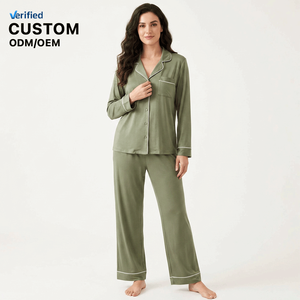
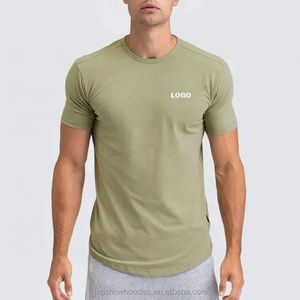
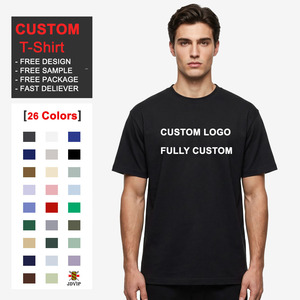
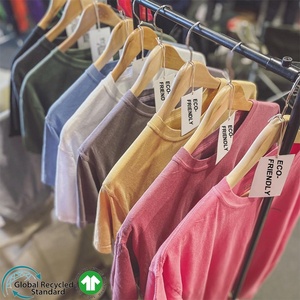
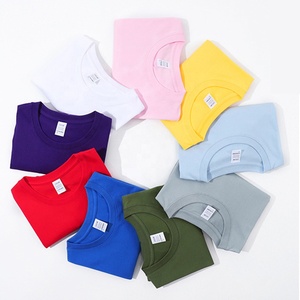
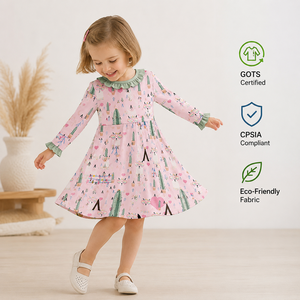
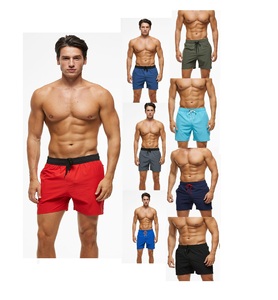
Navigating Eco-Friendly Apparel Manufacturing: The 2026 Procurement Blueprint
The global apparel manufacturing ecosystem is undergoing an unprecedented structural transition. Modern retail brands, fashion startups, and corporate uniform buyers are no longer evaluating custom OEM private label eco friendly clothing factories purely on unit margin economics. Driven by stricter regulatory frameworks—such as the European Union’s Digital Product Passport (DPP) mandate and the Corporate Sustainability Due Diligence Directive (CSDDD)—procurement directors require full supply chain visibility, verified circular raw materials, zero-impact dye processes, and ISO-certified operational governance.
Establishing an agile, ethical, and scalable manufacturing partnership requires bridging the historical divide between low-cost mass output and artisanal eco-conscious crafting. As an integrated apparel manufacturer operating state-of-the-art facilities in Gurgaon, India, and collaborating with audited global textile mills, our production eco-system resolves key sourcing bottlenecks: high minimum order quantities (MOQs), unverified material claims, color fastness degradation in natural fibers, and unpredictable lead times.
Whether developing a private label collection of organic cotton lounge sets, high-density 250gsm hemp activewear tees, or recycled polyester (rPET) corporate polo uniforms, selecting a factory with in-house pattern CAD engineering and multi-stage quality control ensures your product line captures high retail margins while adhering to strict environmental compliance.
Advanced Sustainable Fabrics: Technical Specifications & Sourcing Matrix
Information gain in sustainable apparel procurement stems from understanding fiber mechanics, blend ratios, and yarn construction. Below is an engineering overview of the eco-friendly textiles utilized across our OEM/ODM custom apparel manufacturing lines:
| Fiber Type | Composition & Weight Range | Tensile & Performance Profile | Eco Certifications | Best Product Application |
|---|---|---|---|---|
| Organic Bamboo Viscose | 95% Bamboo, 5% Spandex / 180-220 GSM | Ultra-soft drape, natural antibacterial properties, high moisture wicking. | OEKO-TEX Standard 100, FSC Certified | Sleepwear, loungewear, kids boutique dresses, luxury base layers. |
| Organic Combed Cotton | 100% GOTS Cotton / 200-300 GSM Heavyweight | High yarn density (32s/2 ply), minimal shrinkage (<3%), superior DTG print clarity. | GOTS (Global Organic Textile Standard) | Heavyweight street tees, luxury hoodies, corporate custom t-shirts. |
| Industrial Hemp Blend | 55% Hemp, 45% Organic Cotton / 250 GSM | 3x higher tensile strength than cotton, UV protective, softens with every wash. | USDA Organic, REACH Compliant | Athletic gym shirts, rugged workwear, premium eco-fashion blanks. |
| Recycled Polyester (rPET) | 100% Post-Consumer Bottles / 160-240 GSM | Hydrophobic quick-dry, colorfast against industrial washing, high abrasion resistance. | GRS (Global Recycled Standard) | Enterprise uniforms, quick-dry swim trunks, performance sportswear. |
| Micro-Modal & Cotton | 50% Lenzing Modal, 50% Cotton / 170 GSM | Silky tactile feel, zero pilling, rich color depth after multi-cycle laundering. | Lenzing Certified, EU Ecolabel | Womenswear tops, quiet luxury sweatshirts, intimate wear. |
By integrating closed-loop processing technologies where 99% of solvent chemicals and water are recovered during pulp extraction (as seen in our Modal and Bamboo production), our manufacturing processes reduce environmental toxicity while maximizing garment longevity and customer hand-feel.
Custom OEM Private Label Apparel Manufacturing: Our Core Competencies
Building upon our established manufacturing footprint in Gurgaon, Delhi NCR—supplemented by strategic production partnerships—our facility operates structured assembly lines tailored for high-volume enterprise orders as well as low-MOQ boutique collections.
Precision CAD & Pattern Engineering
3D virtual sampling and computerized pattern nesting maximize fabric yields, reducing cutting room waste by up to 18% while guaranteeing exact size specs across XS–5XL grading.
5-Stage Quality Control (AQL 2.5)
Raw fabric GSM testing, pre-shrinkage wash audits, in-line stitching density checks (5-6 stitches/cm), print adhesion testing, and 100% final garment inspection prior to vacuum packing.
Export Ready & Global Logistics
IEC registered, DGFT compliant, and fully equipped to handle FOB, CIF, and DDP shipping terms to North America, Europe, Australia, and the Middle East with seamless customs clearing support.
Complete OEM & Private Label Customization Services
Our comprehensive private label program transforms raw tech packs into market-ready retail products. Customization capabilities include:
- Custom Neck Labeling: Woven damask tags, recycled satin printed labels, or tagless heat-transfer inner neck prints.
- Branding & Embellishments: High-density 3D embroidery, eco-friendly water-based screen printing, DTG (Direct-to-Garment), heat sublimation, and silicone badge application.
- Hardware & Trim Sourcing: FSC-certified wooden buttons, recycled zinc-alloy zipper pullers, organic cotton drawstrings, and custom branded metal aglets.
- Eco Packaging Solutions: 100% biodegradable cornstarch polybags, recycled kraft boxes, and custom branded tissue paper wrapping.
Future Procurement Trends in Eco-Friendly Garment Manufacturing
The apparel manufacturing landscape is shifting from reactive sustainability compliance to proactive circular design. Procurement officers planning product lines for 2026 and beyond must align with three primary macro trends:
1. Digital Product Passports (DPP) & Supply Chain Traceability
Global consumers and regulatory bodies demand raw-material provenance data. Eco-friendly factories are adopting blockchain-enabled tracing for organic cotton and recycled PET yarn. Future apparel procurement contracts will routinely require mill certificates, farm-to-factory chain-of-custody logs, and carbon footprint calculations per garment unit.
2. The Rise of Bio-Based Synthetics & Regenerative Agriculture
While first-generation eco-apparel relied heavily on recycled polyester, the next decade belongs to regenerative organic cotton (restoring soil microbiome health) and bio-based nylon derived from castor bean oil. Factories investing in these advanced raw inputs enable fashion brands to stay ahead of plastic-reduction legislation while delivering superior hand-feel.
3. On-Demand Micro-Batch Production & Inventory Optimization
Excess inventory remains fashion's largest environmental hazard. To mitigate deadstock risk, smart OEM apparel factories are implementing agile sample-to-bulk workflows, offering flexible MOQs starting from 200–500 pieces per style. This micro-batch agility enables brands to test niche market trends—such as bamboo sleepwear or heavyweight 250gsm hemp tees—before scaling up to multi-thousand-unit production runs.
Custom OEM Apparel Procurement FAQ
Answers to the most critical technical and operational questions asked by global apparel buyers, supply chain managers, and fashion founders.
Scale Your Brand With Verified Eco-Friendly OEM Manufacturing
Partner with an ISO 9001:2015 certified apparel manufacturer. Submit your tech pack or request a material swatches catalog today to receive a competitive factory-direct quote within 24 business hours.