Factory-Direct Hospitality & Spa Apparel Catalogue
High-durability bulk luxury spa robes, staff uniforms, and commercial textiles customized for 5-star hotels, wellness resorts, and global brand distributors.
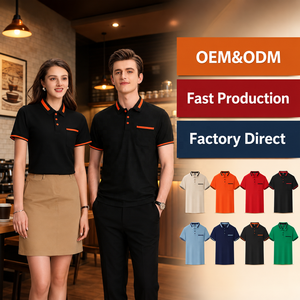
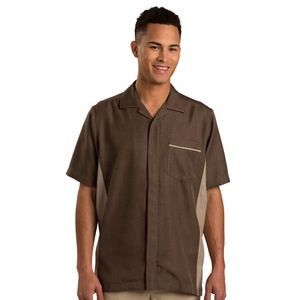
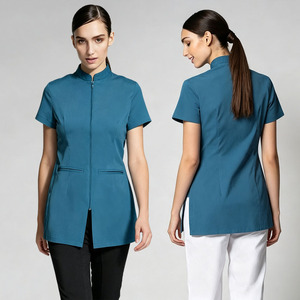
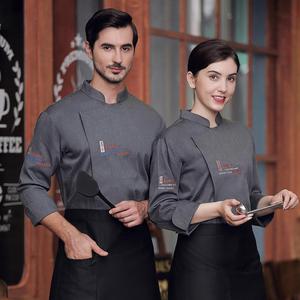
Institutional Manufacturing Capacity & QA Standards
Engineered for high-frequency commercial laundering, global logistics compliance, and rapid OEM/ODM execution.
Factory Strengths & OEM/ODM Operational Infrastructure
ISO 9001:2015 Quality System
Full-spectrum quality management system governing fabric GSM, tear-strength, shrinkage, and seam durability to ensure zero-defect institutional supply.
Custom Branding & Embroidery
Precision multi-head Tajima embroidery, discharge screen printing, laser logo engraving, and Pantone-matched thread customization for hotel chain identity.
Global Trade & Compliance
Full IEC registration, DGFT compliance, and turnkey export logistics handling FOB, CIF, DDP, and LDP terms across North America, Europe, and the Middle East.
Technical Whitepaper: Strategic Procurement of China Wholesale Custom Spa Robes & Hospitality Textiles
The global luxury wellness, resort, and hospitality sectors are undergoing a profound operational transformation. As guest expectations evolve toward immersive sensory luxury, the procurement of custom spa robes, hotel bathrobes, and staff uniforms has shifted from a routine supply-chain purchasing task to a strategic brand-differentiation lever. For procurement officers, hotel group buyers, and spa directors, selecting the right manufacturing partner in China requires deep technical comprehension of textile engineering, industrial wash endurance, material compositions, and supplier quality assurance protocols.
Executive Summary: High-performance commercial spa robes must balance tactile luxury (softness, drape, thermal insulation) with operational longevity. Commercial laundries subject robes to aggressive industrial washing cycles (up to 75°C with alkaline chemistry and high-velocity extraction). Sourcing directly from an audited China wholesale manufacturer eliminates intermediary markup while securing proprietary weaves, precise GSM targeting, and tailored brand aesthetics.
1. Material Engineering: Selecting the Optimal Fiber Composition for Commercial Spa Robes
When sourcing bulk custom spa robes, material selection governs both initial guest experience and total cost of ownership (TCO) over the garment's operational lifespan. China's textile hubs utilize advanced spinning and weaving technologies to produce specialized fabrics engineered for commercial environments:
- 100% Long-Staple Combed Cotton (Terry Toweling & Velour): Renowned for superior absorbency and breathability. Long-staple fibers reduce pilling and linting during industrial washing. Velour exteriors offer a plush, sheen-rich aesthetic, while interior loop terry ensures rapid water absorption post-hydrotherapy or pool exposure. Ideal for luxury 5-star hotel suites and premium medical spas.
- Microfiber / Polyester Outer with Cotton Loop Lining (Dual-Layer Luxury Robes): A burgeoning favorite among high-volume wellness resorts. The outer shell uses ultra-fine denier polyester microfiber, providing a silky, stain-resistant barrier that retains color vibrancy through hundreds of washes. The interior features 100% absorbent cotton or plush coral fleece. This hybrid construction cuts dryer times by up to 35%, drastically lowering utility overhead for hospitality properties.
- Waffle Weave (Piqué Weave Cotton & Cotton-Poly Blends): Lightweight (typically 200–280 GSM), highly breathable, and fast-drying. Waffle robes feature a 3D geometric grid structure that enhances air circulation. Highly recommended for warm climates, sauna operations, day spas, and eco-focused resorts seeking low energy consumption during laundering cycles.
- Sustainable Organic Cotton & Bamboo Viscose Blends: Meeting modern ESG (Environmental, Social, and Governance) mandates. Bamboo fibers provide natural antimicrobial properties, silky drape, and hypoallergenic comfort—ideal for sensitive skin after chemical peels, thermal baths, or facial treatments.
| Fabric Classification | Typical GSM Range | Absorbency Level | Industrial Wash Longevity | Recommended Application |
|---|---|---|---|---|
| Heavyweight Plush Terry / Velour | 400 – 500 GSM | Maximum (High) | 150 – 200 Cycles | Luxury Hotel Rooms, VIP Spa Suites |
| Dual-Layer Microfiber / Fleece | 320 – 380 GSM | Moderate to High | 250+ Cycles | Commercial Wellness Resorts, Cruise Ships |
| Cotton/Poly Waffle Weave | 200 – 280 GSM | Fast Absorption | 300+ Cycles | Sauna, Hydrotherapy, Warm Climate Facilities |
| Bamboo-Cotton Eco Blend | 300 – 350 GSM | High (Antimicrobial) | 180 – 220 Cycles | Organic Spas, Medical Aesthetics Centers |
2. Advanced Structural Cut & Tailoring Styles for Wholesale Orders
China's custom garment factories support versatile cut specifications to align with regional demographics, climate demands, and functional application scenarios:
- The Classic Kimono Style: Flat collar, clean neckline, relaxed drop sleeves. Highly popular for day spas and massage facilities due to lightweight comfort and unobstructed access for body treatments.
- Plush Shawl Collar Robe: Deep roll-back collar, roll-up cuffs, generous overlap, and twin patch pockets. Represents the pinnacle of cozy, full-body coverage for winter resorts and luxury guest suites.
- Hooded Spa Robe: Features a fitted or oversized hood designed to trap head warmth post-swim or thermal pool immersion. Widely adopted by coastal resorts, outdoor pool lounge decks, and nordic-style thermal spas.
- Custom Sizing & Ergonomic Grading: Standard Asian sizing frequently fails Western hotel guest demographics. Professional OEM manufacturers utilize universal sizing matrices (S to 5XL) or custom unisex grading formulas, ensuring ample overlap (at least 20–25 cm in front) to prevent embarrassing gaps during movement.
3. Microscopic View: Industrial Washing Resistance & Quality Control Protocols
The true benchmark of a professional China spa robe supplier lies in structural durability under commercial laundering stress. Low-cost retail robes disintegrate within 20 wash cycles, exhibiting hem fraying, sleeve seam bursting, severe shrinkage, and fabric yellowing. Industrial-grade manufacturing incorporates critical reinforcement details:
- Double-Needle Chain Stitching: All stress seams—including armholes, side seams, and pocket attachment points—are sewn using heavy-duty poly-core thread with double-needle reinforcement.
- Taped Neckline & Hanger Loops: Reinforced canvas or herringbone tape is sewn along the interior neckline and loop hanger to withstand heavy pulling when wet robes are hung on locker hooks.
- Pre-Shrinkage & Mercerization: Raw fabrics undergo thermal pre-shrinking and mercerization treatment, capping post-purchase shrinkage under 3% to 5% (compared to 12%+ in unrefined low-grade textiles).
- Colorfastness Standard (Grade 4-5): Reactive dyeing technology guarantees color retention against chlorine exposure, sun exposure, and high-temperature bleaching agents used in institutional wash formulas.
4. Global Procurement & Future Sourcing Trends (2026–2030 Outlook)
As the B2B textile sourcing landscape evolves, procurement directors must anticipate critical industry trends shaping the next decade of wholesale apparel purchasing:
1. Smart RFID Tracking Integration
Leading hospitality groups are embedding washable UHF RFID tags into robe hems. This allows automated inventory tracking, theft deterrence, and wash-cycle monitoring across commercial laundering partners.
2. Antimicrobial & Quick-Dry Coatings
Post-pandemic health standards demand non-toxic zinc-pyrithione or silver-ion treatments integrated directly into yarns, inhibiting bacteria growth and odor formation in humid locker room settings.
3. Zero-Carbon Textile Sourcing
OEM factories adopting closed-loop water recycled dyeing systems, OEKO-TEX Standard 100 certification, and GOTS organic certifications are capturing top-tier European and North American hotel bids.
5. Step-by-Step OEM/ODM Procurement Workflow with China Factories
Navigating direct factory sourcing in China requires a structured, milestone-driven process to guarantee quality verification and on-time delivery:
- Tech Pack & Spec Sheet Submission: Buyer provides desired style, GSM target, fabric composition, color pantone code, logo embroidery artwork, and sizing breakdown.
- Pre-Production Sample Creation (7–10 Days): The factory constructs counter-samples for tactile, fit, and aesthetic approval prior to mass cutting.
- Lab Dip & Fabric Testing: Color fastness, wash test, and GSM verification conducted in compliance with ISO international garment standards.
- Mass Production & In-Line Inspection (15–25 Days): Multi-stage QC auditing raw material cutting, seam stitching, branding alignment, and loose thread trimming.
- AQL 2.5 Final Inspection & Export Logistics: Independent third-party inspection (SGS, Intertek, or internal QA team) prior to container loading, palletization, and custom export clearance.
Frequently Asked Questions (Sourcing & Procurement FAQ)
Detailed answers to critical technical questions asked by commercial buyers, hotel supply managers, and bulk apparel importers.