Industry Insights
Uniform Trends · Garment Manufacturing · Export Guides
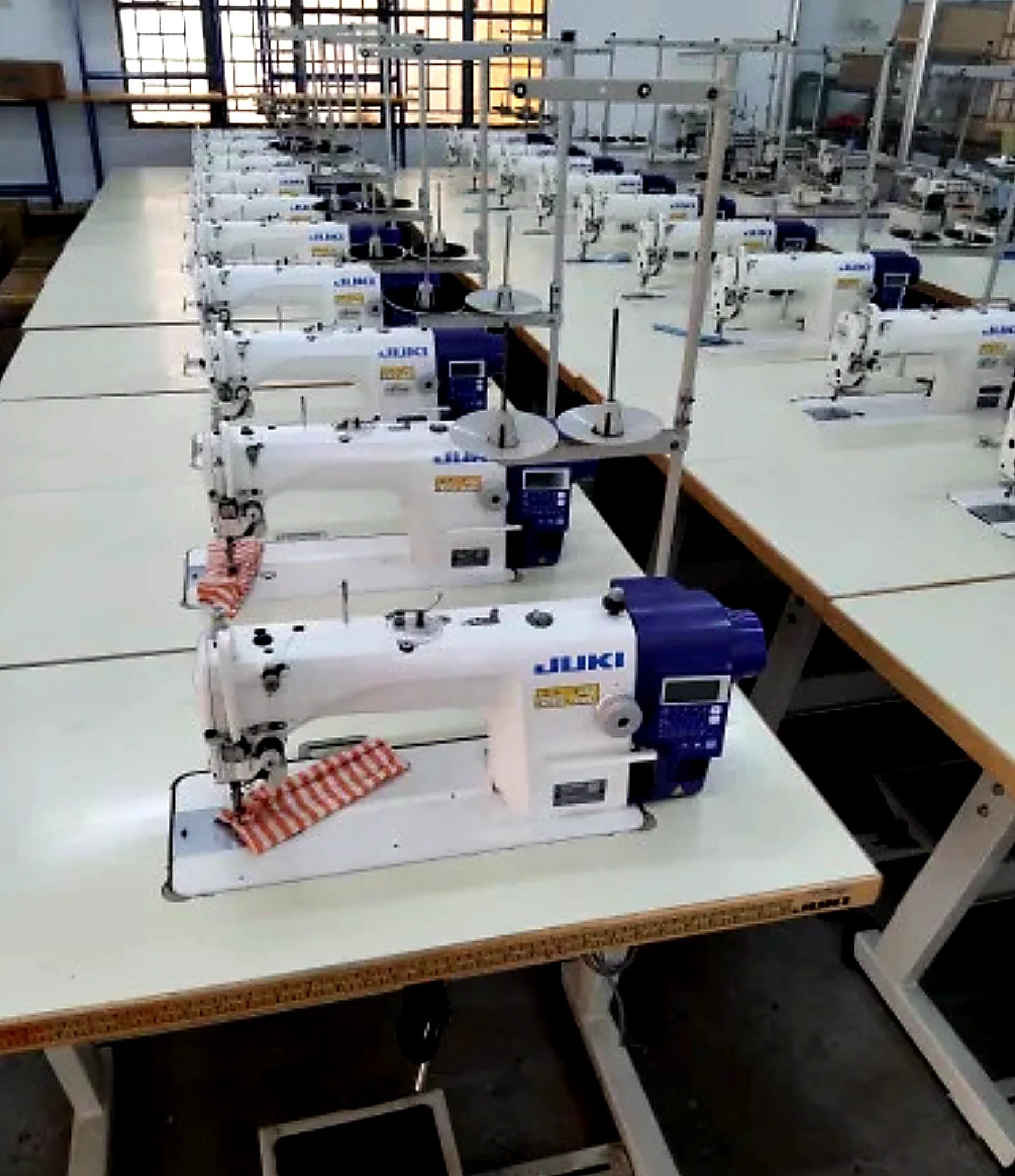
Choosing a corporate polo shirt manufacturer affects more than appearance. It influences employee comfort, brand consistency, delivery reliability, and long-term purchasing costs. A supplier may show polished catalog photos, yet real performance appears in fabric samples, stitching, and communication.
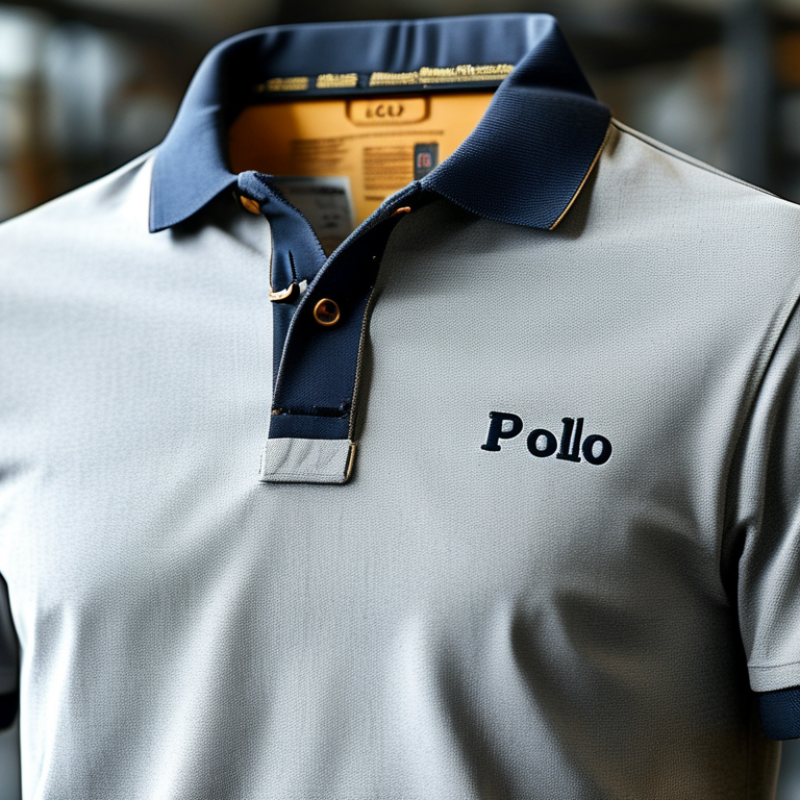
Corporate Polo T-Shirt Manufacturing requires practical evaluation. Ask about fabric composition, GSM, colorfastness, shrinkage control, and collar recovery. A 200-GSM cotton blend may feel suitable for office uniforms, while outdoor teams may need moisture management and stronger seams. Request a physical sample before approving bulk production. Inspect the shoulder stitching, button attachment, logo embroidery, and inside labels. Small details often reveal production discipline.
Look for documented quality procedures and relevant manufacturing experience. A professional factory should explain its sampling process, production timeline, inspection standards, and corrective actions. It should also communicate minimum order quantities, packaging methods, and replacement policies clearly. Factory audits, certifications, and customer references can support your assessment, but they should not replace direct verification.
No checklist is flawless. A low quotation can hide weak fabric or delayed delivery. A famous supplier may still overlook your sizing needs. Test the garment with actual employees when possible. Wash it, wear it, and compare several sizes. Pay attention to fading after repeated washing. The best choice is not always the cheapest one. It is the manufacturer that consistently turns your specifications into dependable, comfortable, and professional polos. Evaluate evidence carefully, keep written approvals, and allow time for corrections. That extra time may prevent expensive uniform problems later.
Set Polo Specifications: 180–220 GSM, Fiber Mix, Fit, and Colorfastness
Choosing a corporate polo shirt manufacturer starts with clear, measurable specifications. A practical fabric range is 180–220 GSM. It feels substantial without becoming overly warm in office environments. I have found that 200 GSM often balances durability, comfort, and embroidery stability. However, climate and work activity can change that choice.
Discuss the fiber mix carefully. Cotton improves softness and breathability, while polyester supports shape retention, drying speed, and color stability. A blended fabric may perform better than pure cotton for frequent uniforms. Ask the manufacturer for fabric samples, wash-test records, and shrinkage data. Fit also needs real-world testing. Compare shoulder width, sleeve opening, body length, and collar recovery across several sizes. A polished fit should allow movement without looking loose after repeated washing. Small errors become obvious in group photographs.
Tips: Request a colorfastness test before bulk production. Rub the fabric with a damp white cloth and inspect any transfer. Wash samples several times, then check fading, pilling, twisting, and collar shape. Keep the approved sample for comparison. Do not rely only on digital color charts; screens distort color. I once underestimated shade variation between fabric batches, and the result looked uneven under bright office lighting. That mistake is worth remembering. Ask for a production-control plan, but verify it with physical samples and written measurements.
| Specification | Recommended Selection | Common Alternatives | Performance Considerations | Suggested Quality-Control Requirement |
|---|---|---|---|---|
| Fabric Weight | 180–220 GSM pique or structured knit | 150–179 GSM for lightweight uniforms; 221–260 GSM for heavier workwear | 180–220 GSM provides a practical balance of opacity, durability, breathability, and professional appearance for indoor and moderate outdoor use. | Verify fabric weight from production samples and record the test method and tolerance agreed in the technical specification. |
| Fiber Mix | 60–65% combed cotton / 35–40% recycled or standard polyester | 100% cotton; 50% cotton / 50% polyester; 100% polyester performance knit | A cotton-rich blend offers a softer hand feel, while polyester improves dimensional stability, drying speed, abrasion resistance, and color retention. | Confirm fiber composition through supplier documentation or laboratory fiber-composition testing before bulk production. |
| Cotton Type | Combed, ring-spun cotton | Carded cotton; open-end cotton; cotton-rich blended yarn | Combing removes shorter fibers and can improve softness, surface cleanliness, and reduced pilling compared with less-refined cotton yarns. | Approve a pre-production sample for softness, surface appearance, yarn evenness, and pilling performance. |
| Knit Construction | Pique knit for a classic corporate appearance | Single jersey for a smoother, lighter feel; interlock for a denser, softer surface | Pique is commonly selected for structured polo shirts because its textured construction supports airflow and shape retention. | Check knit structure, fabric width, roll appearance, holes, dropped stitches, and visible defects before cutting. |
| Fit Profile | Regular or modern regular fit with graded sizing | Classic relaxed fit; slim fit; unisex fit | Regular fit accommodates a broader employee population and is generally easier to standardize across departments and regions. | Approve a measurement chart covering chest, body length, shoulder width, sleeve length, and tolerance for every size. |
| Size Range | At least XS–3XL, based on employee measurements | XXS–5XL for larger workforces or inclusive uniform programs | Size labels vary between markets, so actual garment measurements are more reliable than relying on nominal size names alone. | Conduct a fit review on representative body sizes and inspect graded patterns before bulk cutting. |
| Collar Construction | Two- or three-button flat-knit collar with reinforced topstitching | Self-fabric collar; contrast collar; rib-knit collar | A stable collar should resist curling, stretching, and distortion after repeated washing while maintaining a professional profile. | Inspect collar height, symmetry, button spacing, seam appearance, and recovery after laundering. |
| Color Range | Core solid shades supported by lab-dip approval | Custom shades; contrast panels; melange or heather effects | Solid colors simplify replenishment and shade matching. Dark, bright, and fluorescent shades may require additional dyeing controls. | Approve a physical lab dip or strike-off before production and keep a sealed reference standard for shade comparison. |
| Wash Colorfastness | Target grade 4 or higher on the applicable gray scale | Grade 3–4 for lower-risk promotional use | Colorfastness performance depends on fiber type, dye class, shade depth, finishing, detergent, temperature, and test method. | Request testing to ISO 105-C06 or an equivalent agreed method, including color change and staining results. |
| Rubbing Colorfastness | Target dry rubbing grade 4 or higher; wet rubbing grade 3–4 or higher | Lower grades may occur with very dark or highly saturated colors | Rubbing tests help assess whether dye transfers onto seating, bags, or other garments during dry or damp contact. | Specify testing to ISO 105-X12 or an equivalent method, with separate dry and wet results recorded. |
| Light Colorfastness | Target grade 4 or higher for outdoor-facing uniforms | Grade 3–4 for mainly indoor use | Light exposure can fade colors over time, especially in strong sunlight and in certain bright or dark shades. | Use ISO 105-B02 or an equivalent agreed method when the polo will be worn or displayed outdoors. |
| Dimensional Stability | Maximum agreed shrinkage of approximately 3% after care testing | Up to 5% may be accepted for some cotton-rich constructions if the size chart accounts for it | Pre-shrinking, fabric finishing, fiber content, knit construction, and laundering conditions all influence final garment measurements. | Test length and width changes after the specified wash and drying procedure, using ISO 5077 or an equivalent method. |
| Pilling Resistance | Target grade 4 or higher after the agreed test cycle | Grade 3–4 for garments exposed to lower abrasion | Combed yarns, suitable fiber blends, compact knitting, and controlled finishing can reduce visible pilling. | Set the test method and cycle count in advance, such as ISO 12945-2 or another mutually agreed standard. |
| Seam Strength | Reinforced shoulder and side seams with secure overlock stitching | Basic overlock construction for light-duty uniforms | Reinforcement at high-stress areas improves service life and reduces seam opening during repeated wear and washing. | Inspect stitch density, skipped stitches, seam slippage, loose threads, bartacks, and stress-point reinforcement. |
| Care Label | Clear washing, drying, ironing, and fiber-content instructions | Printed care information; sewn-in label; heat-transfer label | Accurate care instructions help preserve shape and color and reduce complaints caused by unsuitable washing or drying. | Review label wording and symbols against the actual tested garment and destination-market requirements. |
| Logo Application | Embroidery or durable heat transfer selected according to fabric and artwork | Screen printing; direct-to-garment printing; woven badge | Embroidery offers a premium appearance, while heat transfer can reproduce fine details with less fabric distortion on lightweight areas. | Approve placement, dimensions, thread or ink colors, adhesion, wash resistance, and appearance after laundering. |
| Pre-Production Approval | Signed sample, measurement chart, color standard, artwork file, and test plan | Visual approval only | Written approval reduces the risk of changes to fabric weight, fit, shade, trims, branding, or construction during bulk production. | Require a sealed reference sample and documented approval before issuing the bulk-production order. |
FAQS
: A practical range is 180–220 GSM. Around 200 GSM often balances durability, comfort, and embroidery stability. Climate still matters.
Cotton feels soft and breathable. Polyester helps shirts keep their shape, dry faster, and hold color. A blend may suit frequent washing better.
Compare shoulder width, sleeve opening, body length, and collar recovery across several sizes. Staff should move comfortably without a loose, twisted appearance.
Rub the fabric with a damp white cloth. Check for color transfer. Wash samples several times and inspect fading, pilling, twisting, and collar shape.
Not reliably. Screens can distort color. Keep an approved physical sample and compare it with later fabric batches under bright lighting.
Ask for minimum quantities by color, size, fabric, and decoration option. Request output for similar polo styles, not the entire facility.
Confirm when the clock starts. It may begin after payment, fabric approval, or final artwork approval. Include cutting, sewing, inspection, packing, and freight.
Request inspection records, measurement reports, defect categories, and corrective-action procedures. Checks should cover cutting, sewing, pressing, and packing.
No. It provides an acceptance benchmark, not perfection. Inspectors should sample cartons randomly and separate failed lots.
Trusting a polished capacity sheet too quickly. Recent photos, shipment records, samples, and written measurements provide stronger evidence. I have learned this slowly.
Conclusion
Choosing the right partner for Corporate Polo T-Shirt Manufacturing requires evaluating more than the quoted garment price. Start by defining clear product specifications, including a fabric weight of 180–220 GSM, the preferred fiber blend, fit profile, color requirements, and colorfastness expectations. Next, assess the manufacturer’s production capacity by reviewing minimum order quantities, monthly output, sampling procedures, and realistic lead times of approximately 30–45 days.
Quality and compliance should also be verified through documented systems, such as AQL 2.5 inspections, ISO 9001-based processes, and consistent in-line quality checks. Confirm that materials and facilities meet relevant safety and ethical standards, including OEKO-TEX STANDARD 100, WRAP, and traceable production records. Finally, compare the total landed cost rather than FOB price alone. Include tooling, freight, import duties, packaging, and other expenses to determine the most reliable and cost-effective manufacturing partner.