Industry Insights
Uniform Trends · Garment Manufacturing · Export Guides
Finding a dependable corporate hoodie manufacturer in 2026 requires more than comparing prices online. A supplier may display impressive product photos, yet the factory floor could tell another story. Real evaluation begins with fabric samples, production records, quality procedures, and clear communication.
Corporate Hoodie Manufacturing involves several decisions that affect comfort, branding, cost, and delivery reliability. Consider whether the manufacturer can handle embroidered logos, screen printing, woven labels, and custom packaging without damaging the garment. Ask about fabric weight, cotton blends, shrinkage testing, colorfastness, stitching strength, and size consistency. A practical sample review should include washing the hoodie, checking the zipper, and examining the logo after repeated wear.
Experience helps reveal problems early. A procurement team might request a pre-production sample, confirm the approved artwork, and inspect cartons before shipment. However, no checklist is perfect. Our assumptions can be wrong. A factory with excellent samples may still struggle during large-volume production. That is why documented quality controls, transparent lead times, traceable materials, and responsive support matter.
Reliable manufacturers should also provide accurate business details and explain their production capabilities honestly. Verify relevant certifications through credible sources rather than trusting uploaded badges alone. Confirm that labeling, worker protections, environmental claims, and import documentation meet applicable requirements in your target markets. Do not ignore small warning signs, such as vague answers or unexplained price changes.
This guide explains how to compare suppliers, test samples, negotiate responsibly, and reduce avoidable sourcing risks. The goal is not simply to find the cheapest hoodie. It is to build a dependable partnership that represents your company well.

Define Your Corporate Hoodie Requirements
Before contacting a hoodie manufacturer in 2026, define what your company actually needs. A clear brief prevents expensive sampling mistakes and vague price comparisons. Start with the wearer: office staff, field teams, event crews, or mixed departments. Their daily setting determines warmth, fit, pocket design, and cleaning needs. Keep it practical. Include inclusive sizing, body measurements, and preferred garment length.
Specify fabric weight, fiber content, stretch, color range, and expected shrinkage. For frequent outdoor use, test heavier fabric and reinforced seams. For indoor teams, lighter fleece may feel more comfortable. Choose decoration methods after checking logo size, placement, thread, or ink durability. Provide artwork files, color references, and a simple approval process. Manufacturers work better with measurable details than words like premium or modern. I have learned that “soft” means different things to different buyers. Request a physical sample and wash it several times. This step exposes flaws.
Your brief should also state quantity, size breakdown, delivery window, packaging, and replacement expectations. Ask how the manufacturer checks measurements, color consistency, and final counts. Request production photos or inspection records when appropriate. A written sizing tolerance can prevent disputes. Still, do not over-specify before testing the garment. Our early requirement lists were sometimes too ambitious, especially for small runs. That lesson matters. Leave room to revise fabric, fit, or decoration after sample feedback. Then compare manufacturers against the same brief, not attractive promises alone.
FAQS
Create a shortlist of three to five manufacturers. Check their corporate hoodie experience, not only general clothing production. Review factory profiles, stitching photos, fabric details, and recent samples. Polished promises are not enough.
Request identical samples from every candidate. Compare fabric weight, shrinkage, color accuracy, zipper movement, and embroidery placement. Wash each sample twice, then measure it again. Small details matter.
Request fiber composition and testing records. Check colorfastness, pilling resistance, rib recovery, seam strength, and decoration durability. A soft hoodie may still shrink noticeably after washing. That mistake is easy to miss.
Ask for separate costs for fabric, labor, trims, decoration, packaging, testing, and delivery. Compare quotes using identical quantities and specifications. Include sample fees, revision costs, shipping terms, and minimum order quantities. The cheapest quote may become expensive later.
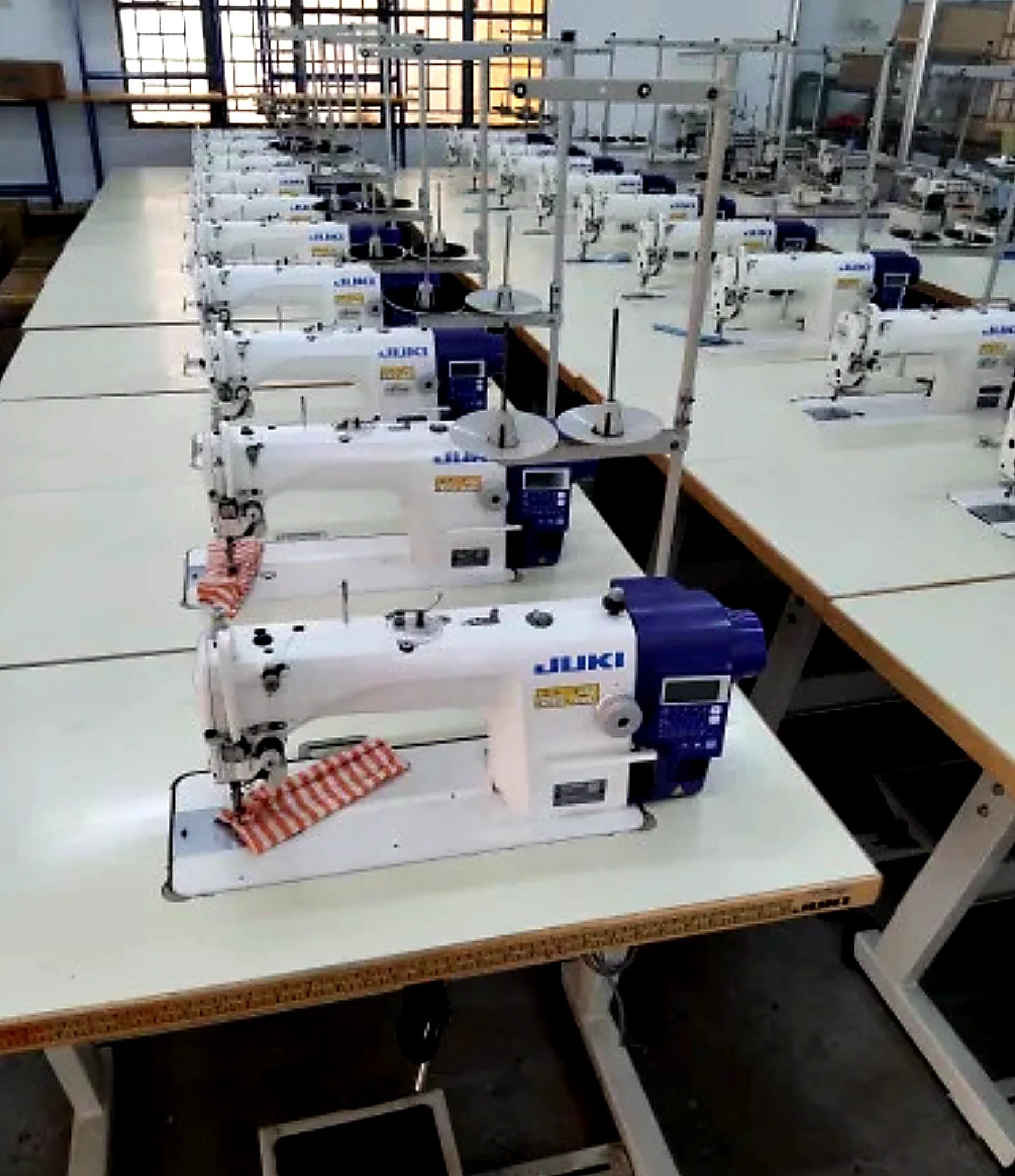
Request monthly capacity, minimum order quantity, lead times, and recent comparable-order records. Ask about backup equipment and written defect tolerances. A factory may own impressive machines but still miss deadlines. Capacity claims need evidence.
Send a detailed specification sheet and observe the response. Strong manufacturers identify fabric risks, timing problems, and suitable material weights. They answer specific questions clearly. Vague replies deserve caution.
Ask whether inspections are performed internally or by an independent service. Request pre-production checks, in-line inspections, and final inspection records. Certificates can support trust, but they do not guarantee perfect production. Reports are not enough.
Request the material certificate and chain-of-custody documentation. Do not rely only on a hangtag or supplier statement. Confirm that the documentation matches the actual fabric used. I would still recheck.
No. One approved sample cannot prove consistent bulk quality. Allow time for corrective samples and approval delays. Keep a small contingency budget for fabric shortages or late decisions. A perfect sample can mislead.
Conclusion
Finding the right corporate hoodie manufacturer in 2026 starts with clearly defining your requirements, including fabric type, hoodie style, sizing, colors, branding methods, order volume, delivery timeline, and target budget. Once these details are established, research and compare potential suppliers based on their experience, production capacity, customization options, minimum order quantities, and customer service. A structured comparison can help identify manufacturers that are capable of supporting reliable Corporate Hoodie Manufacturing for your organization.
Before making a decision, evaluate product quality, pricing transparency, equipment, workforce, and production capabilities. Request samples to inspect stitching, fabric weight, fit, printing, and embroidery, while also verifying relevant certifications and quality-control procedures. Clear communication is equally important, especially when discussing revisions, deadlines, packaging, and shipping. After selecting the most suitable supplier, confirm all specifications in writing, approve a final sample, and place a carefully monitored first order. Reviewing the initial production process and finished goods will help establish a dependable long-term partnership.