Industry Insights

Uniform Trends · Garment Manufacturing · Export Guides

0%

Choosing a reliable hotel service blazer manufacturer is more than comparing prices and fabric swatches. Blazers must look polished under lobby lighting, stay comfortable through long shifts, and withstand repeated cleaning. The World Travel & Tourism Council’s 2024 Economic Impact Research estimated that travel and tourism contributed $11.1 trillion to global GDP in 2024. That figure describes the wider travel sector, not uniform demand. Still, it signals the scale of an industry where consistent staff presentation matters.

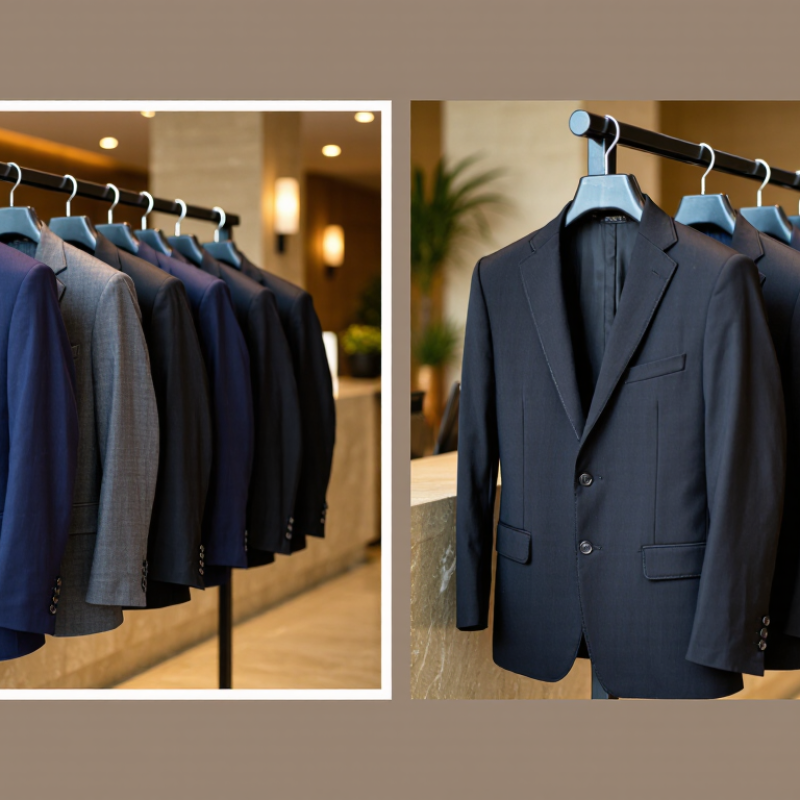
In Hotel Service Blazer Manufacturing, reliability becomes visible in the details: even stitching at the shoulder, secure buttons, smooth lining, and pockets that hold their shape. Ask suppliers for fabric composition, size tolerances, production lead times, minimum order quantities, and inspection procedures. Request a pre-production sample, then check its fit, color, seams, and comfort in realistic working conditions. ISO 105-X12, for example, specifies a method for testing colorfastness to rubbing; relevant test documentation can help assess fabric performance. Yet paperwork alone is not proof of dependable production. A beautiful sample can disappoint after a busy season. No checklist removes judgment. This guide explains how to assess a manufacturer’s experience, quality controls, communication, and capacity before placing an order—and where buyers may need to ask harder questions.
How to Find a Reliable Hotel Service Blazer Manufacturer?

Define Hotel Service Blazer Requirements and Performance Standards

Before requesting quotations, define who will wear the hotel service blazer and what each role needs. Front-desk staff may need easy access to pens, while concierge teams may prioritize a sharp silhouette and comfortable movement. Specify the color, fabric composition, lining, closure, pocket placement, and available size range. Include measurements and acceptable tolerances, rather than relying on terms such as “tailored fit.” Note the hotel’s climate and typical shift length, too.

Set performance standards that can be checked on a sample. State how the fabric should look and feel, and whether it must resist wrinkles, pilling, or color fading after cleaning. Specify the approved care method and ask for laundering tests that reflect actual hotel use. Test a sample. Real movement matters. Have staff sit, reach, and wear it through a full shift; tight shoulders often show up only after several hours. Record any discomfort or loose stitching.

Give the manufacturer a clear specification sheet, size set, and written inspection criteria. Define how seams, buttons, lining, and finished measurements will be checked before shipment. Ask for pre-production samples and documented quality-control results. A polished sample is useful, but it may not represent every unit in a bulk order. That gap is easy to underestimate. Review fit on different body types and revise the specification where evidence points to a problem, even if the first sample looked convincing.

How to Find a Reliable Hotel Service Blazer Manufacturer?

Define Hotel Service Blazer Requirements and Performance Standards

These example purchasing thresholds use a 1–5 rating scale, where 5 is best. Specify the required grades in your contract and ask the manufacturer for test reports from an independent laboratory. Relevant methods include ISO 105-C06 (washing), ISO 105-X12 (rubbing), ISO 105-E04 (perspiration), and ISO 12945-2 (pilling). These are example buyer requirements, not universal pass limits set by the test methods.

Identify Manufacturers with Relevant Hospitality Uniform Experience

A hotel blazer must look composed after a long shift, not only in a product photograph. Look for manufacturers with documented hospitality uniform projects, especially garments made for front-desk and guest-services teams. Ask to see comparable samples, fabric specifications, and references from hotel clients. AHLA’s 2024 survey of 400 U.S. hotels found that 76% reported staffing shortages; housekeeping was the most-needed role, cited by 40%. The finding is a reminder that uniform programs may need to serve varied teams and operating conditions, not just a single reception desk.

Check whether the manufacturer can explain fabric weight, lining, pocket placement, and care performance in practical terms. Request test evidence for colorfastness, dimensional stability, and seam strength after laundering. AHLA’s 2024 State of the Hotel Industry report projected about 2.1 million direct hotel employees in the United States that year, underscoring the scale of the sector. A supplier experienced with hospitality should be able to discuss repeat orders, size ranges, and consistent construction across batches. A polished sample is not enough. I would also inspect a worn or laundered sample, even if it looks less impressive; that small step is easy to overlook, and perhaps I would still want more evidence.

Assess Production Capacity, Quality Controls, and Certifications

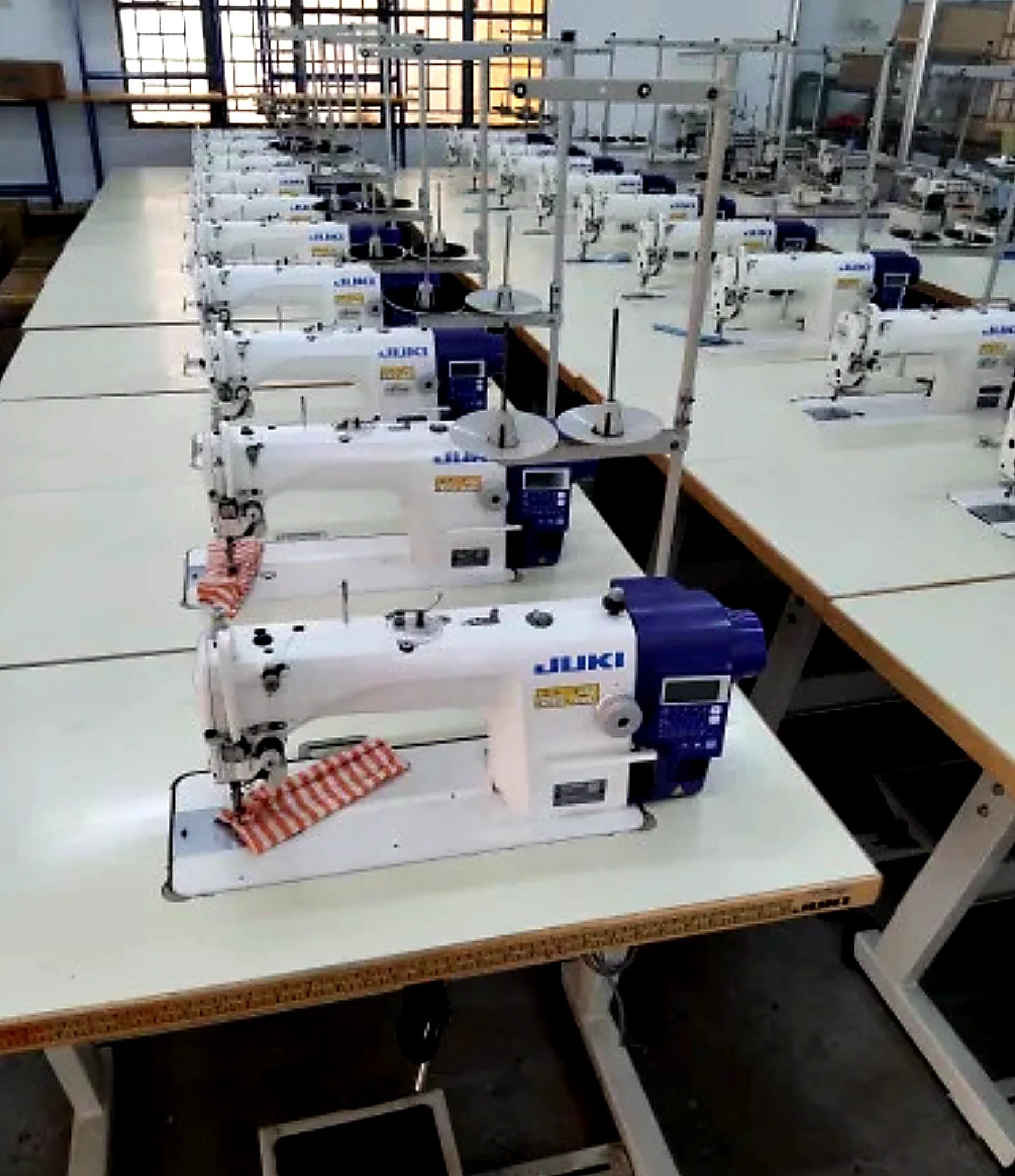
A hotel service blazer must look consistent across shifts and hold its shape through frequent wear. Ask the manufacturer for monthly capacity figures, current order load, and a realistic delivery schedule. Compare those figures with your required sizes and quantities. A factory may have many sewing machines, but skilled operators and finishing time can still limit output. Ask whether it can make a small pilot batch before full production. A polished factory tour is not enough.

Quality controls should cover the whole process, not just final inspection. Request the measurement chart and tolerance range for chest, sleeve, and jacket length. Check how staff inspect seam strength, lining attachment, button security, and pressing. Ask to see anonymized inspection records and examples of corrective actions. Small details matter. A blazer can pass a quick visual check and still twist at the shoulder after several wears. If possible, test samples during a full work shift and record comfort, movement, and fabric response.

Review certificates carefully. Confirm that each document is current, issued by a credible independent body, and relevant to the facility or process being assessed. A certificate alone does not prove that every blazer will meet your specification. Requirements can change between orders, too. Put fabric, measurements, approved samples, and inspection criteria in writing, then confirm how the manufacturer controls revisions. No checklist is perfect, but clear evidence makes gaps easier to spot.

How to Find a Reliable Hotel Service Blazer Manufacturer? — Assess Production Capacity, Quality Controls, and Certifications

Assessment Area What to Check Useful Evidence How to Assess It Potential Warning Signs
Production capacity Available sewing lines, skilled operators, equipment, current workload, and capacity for repeat orders. Factory tour or live video walkthrough; production-line details; recent, redacted production schedules; capacity plan for your order. Compare the factory’s available capacity and proposed schedule with your required quantities, delivery dates, and seasonal demand. Ask how it handles urgent orders and repeat production. Capacity claims are not supported by records; production is outsourced without disclosure; or delivery promises do not account for current workload.
Sampling and development Ability to interpret technical packs, develop patterns, source fabrics and trims, and produce fit and pre-production samples. Sample garment; measurement specification; fabric and trim records; documented sample revisions and approvals. Review fit, construction, appearance, and consistency with the approved specification. Confirm that bulk production will use the approved sample and materials. Samples differ from specifications without written approval, or changes to fabric, buttons, lining, or construction are not documented.
Incoming-material checks Inspection of shell fabric, lining, interlining, buttons, zippers, thread, and labels before production. Purchase and material records; fabric inspection reports; shade and lot identification; supplier test reports where applicable. Ask how the factory checks defects, color variation, composition, and material quantities, and how it keeps fabric lots traceable to finished garments. Materials are substituted without approval, fabric lots cannot be traced, or inspection records are unavailable.
In-line quality control Checks during cutting, sewing, pressing, and assembly—not only at the end of production. Documented inspection checkpoints; operator or line inspection records; defect and corrective-action logs. Confirm that checks cover blazer-specific details such as seam alignment, lapels, pockets, button placement, lining, and left-right symmetry. Quality checks rely only on a final visual review, or recurring defects have no documented corrective action.
Final inspection and measurement Finished-garment workmanship, measurements, labeling, packing, and order quantity. Inspection report; measurement records; approved size chart; packing list; defect classification and disposition records. Agree on the inspection method and acceptance criteria before production. Where sampling inspection is used, ask whether the plan is based on ISO 2859-1 and ensure the agreed plan fits the order and risk. Acceptance criteria are introduced after production, measurement checks are inconsistent, or failed garments are shipped without agreed disposition.
Fabric performance testing Suitability of the fabric and components for repeated wear, cleaning, and the hotel’s care requirements. Test reports linked to the actual material and color; garment-care instructions; test laboratory details and report scope. Choose tests according to the fabric, use, and care method. Relevant methods may include ISO 105-C06 for colorfastness to domestic and commercial laundering, ISO 105-X12 for rubbing, and ISO 5077 for dimensional change after washing and drying. Reports cover a different fabric or color, test conditions do not match intended care, or results are presented without identifiable samples and methods.
Order traceability Ability to link fabric lots, production batches, inspection results, and finished cartons to the purchase order. Batch or lot records; production and inspection logs; carton and shipment documentation. Ask the factory to demonstrate how it would trace a finished blazer back to its materials and production records. Records are incomplete, inconsistent, or cannot be connected to the specific order.
Quality management certification Whether a claimed management-system certificate applies to the actual manufacturing site and relevant activities. Current certificate showing the issuing body, site address, scope, validity period, and certificate number. If ISO 9001 is claimed, verify the certificate with the certification body or its official verification service. Treat it as evidence of a quality-management system, not proof that every garment will meet your requirements. Certificate is expired, covers a different site or activity, or cannot be independently verified.
Material and social-compliance claims Any claimed textile, environmental, or social-compliance certification relevant to the order. Certificate or audit report; covered site and product scope; validity details; verification through the issuer where available. Check that the certification covers the specific facility, process, or material being supplied. For textile product claims, verify the certified article or component rather than relying on a general supplier statement. Broad claims are made without a current document, the covered scope is unclear, or a certificate for one material is used to imply certification of the entire garment.
Delivery and communication Order milestones, approval responsibilities, production updates, and procedures for delays or specification changes. Written production calendar; named points of contact; approval records; documented change and escalation process. Agree on dates for material approval, pre-production approval, production, inspection, and dispatch. Confirm how delays and corrective actions will be reported. Key commitments remain verbal, approvals are not recorded, or schedule changes are communicated only after deadlines are missed.

Verify Reliability Through Samples, References, and Factory Checks

A reliable hotel service blazer manufacturer should prove consistency, not just show attractive catalogue photos. Start with a sample made to your specifications: fabric weight, lining, buttons, pocket placement, and staff measurements. Check the seams inside and out. Wear it through a full shift, if possible. Details matter. Note whether the jacket restricts reaching, pulls across the back, or wrinkles after sitting. Request a revised sample after sharing fit comments; the response often reveals how carefully the supplier handles changes. A first sample can look excellent and still miss daily-use needs.

Ask for references from hospitality clients with similar order sizes and garment requirements. Contact them directly and ask about delivery consistency, defect rates, and how problems were resolved. General praise is less useful than specific examples. Ask for proof. Compare the stated lead time with sample dates and production milestones. If a reference cannot discuss quality details, ask more questions rather than rejecting the supplier automatically.

Check the factory in person or arrange a live video walkthrough. Observe cutting tables, sewing lines, pressing, storage, and finished-goods inspection. Ask who performs final checks and how measurements are recorded across a batch. Confirm whether any work is subcontracted, and request a written production schedule and defect remedy. Photos can be staged; live checks are stronger, though they cannot reveal everything. I would not rely on one visit alone. Some buyers skip this step when deadlines tighten, then regret the uncertainty. Keep dated notes on what you see.

Compare Pricing, Lead Times, Communication, and Contract Terms

When evaluating a hotel service blazer manufacturer, compare quotes against the same written specification. Include fabric weight, lining, buttons, pocket details, size range, and any logo application. Ask whether sample making, alterations, packing, and freight are included. A low price can look reassuring, but hidden charges may change the final cost. Request an itemized quote.

Check lead times in stages: sample approval, bulk production, inspection, and shipping. Ask for realistic dates and what could delay each stage, especially during busy periods. I would still leave a buffer; schedules can slip. Compare how clearly each manufacturer explains capacity and progress updates, not just the promised delivery date. During discussions, notice whether answers address practical details, such as how color consistency will be checked across multiple batches.

Communication should feel specific and dependable. A clear contact person, prompt replies, and written confirmation of changes reduce confusion. Before placing an order, review the contract for quantities, fabric specifications, payment milestones, delivery terms, acceptable tolerances, and remedies for defects. Confirm how approval samples relate to the finished garments. That detail matters. If a clause seems vague, ask for it to be clarified in writing; a friendly conversation is not a substitute for clear terms.

FAQS

What experience should a hotel blazer manufacturer have?

Look for documented hospitality uniform projects, especially garments for front-desk and guest-services teams. Ask for comparable samples and client references. A photograph proves little.

How can I check whether fabric suits daily hotel work?

Ask for fabric weight, lining details, pocket placement, and care performance. Request laundering tests for colorfastness, dimensional stability, and seam strength. Check a worn sample, too.

How do I assess production capacity?

Request monthly capacity, current order load, and a realistic delivery schedule. Compare them with your required quantities and size range. Machines alone are not enough.

What quality controls should I review?

Ask for measurement tolerances and inspection records. Check how the factory tests seams, lining, buttons, and pressing. A quick visual check can miss a twisting shoulder.

Should I request a pilot batch?

Yes. A small batch can reveal fit or construction issues before full production. Test the blazers during a full shift, if possible.

How can I judge a sample properly?

Check inside and outside seams, then sit, reach, and move in the jacket. Note pulling across the back and wrinkles after sitting. Details matter.

What should I ask hospitality references?

Ask about delivery consistency, defects, and how problems were resolved. Specific examples are more useful than general praise. Ask for proof.

Is a factory visit enough to confirm reliability?

No. Observe cutting, sewing, pressing, storage, and final inspection in person or by live video. Confirm subcontracting and written defect remedies. One visit may still miss something.

Conclusion

Finding a reliable hotel service blazer manufacturer begins with clearly defining the garment’s purpose and performance requirements. Consider the desired fit, fabric, color, durability, comfort, ease of care, and any practical details needed for daily hospitality work. These standards provide a consistent basis for evaluating potential suppliers. Prioritize manufacturers with relevant experience producing hospitality uniforms, and ask how their production capacity, quality-control processes, and applicable certifications support consistent results across an order.

Before making a commitment, review samples for workmanship, fit, and material quality, and check references or arrange a factory assessment when practical. Compare quotations alongside lead times, communication, and contract terms rather than choosing on price alone. Confirm how specifications, revisions, delivery schedules, and quality concerns will be handled. A thorough evaluation of these factors helps make Hotel Service Blazer Manufacturing more predictable and supports a dependable supplier relationship.

Alexander

Alexander

Alexander is a professional marketing specialist dedicated to helping customers better understand innovative products, practical solutions, and the value they can bring to everyday business and operations. With a strong understanding of the company’s product portfolio, market trends, customer......