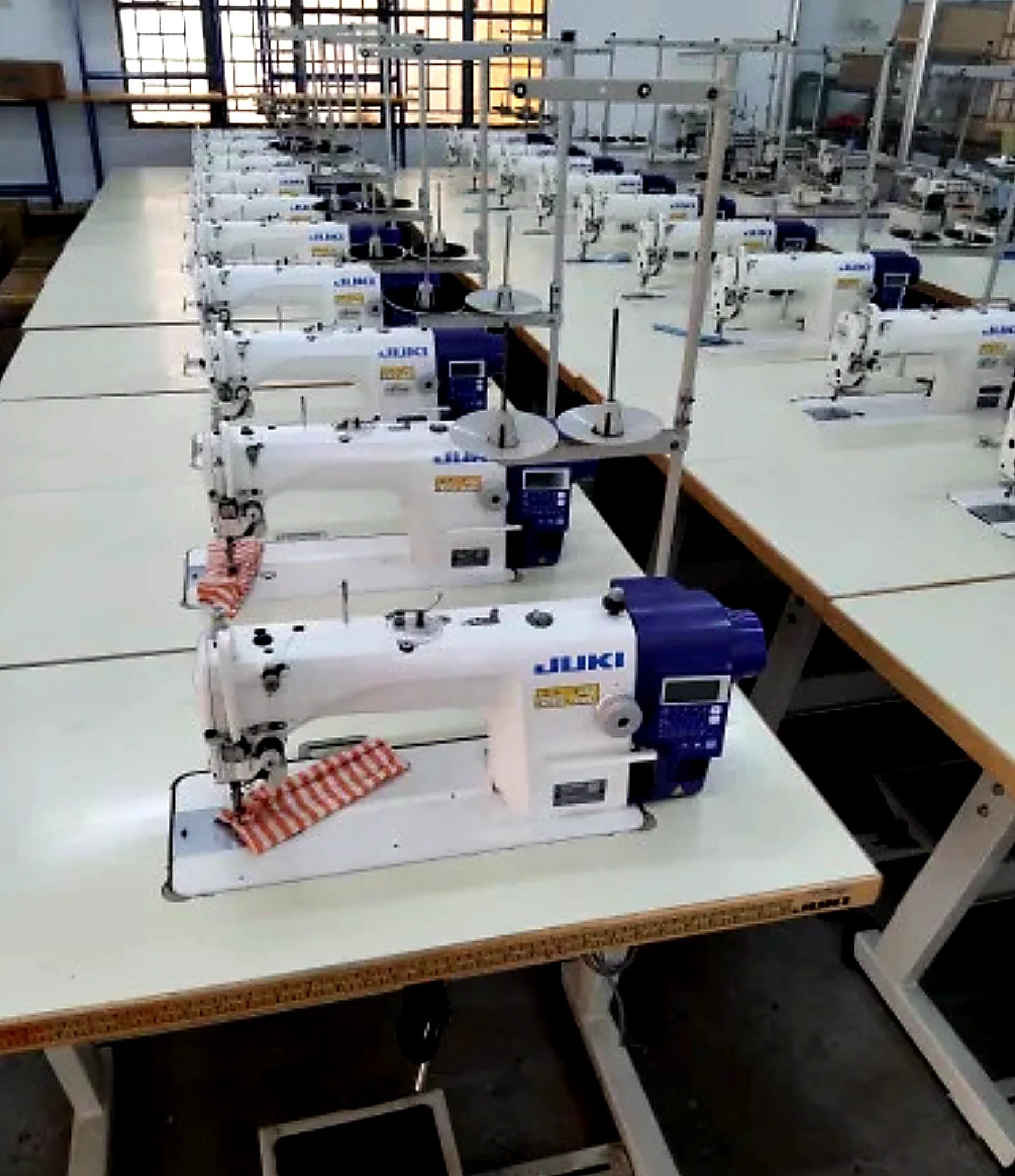
Industry Insights

Uniform Trends · Garment Manufacturing · Export Guides

0%

Corporate Blazer Manufacturing is the organized process of designing, sourcing, producing, and inspecting blazers for companies, institutions, and professional teams. It combines fashion design with measurable production controls. A blazer may look simple, yet its structure involves fabric selection, pattern engineering, fusing, stitching, pressing, and final inspection. Small details matter. Shoulder balance matters.

The global textile industry creates enormous material demand. Textile Exchange’s 2024 Materials Market Report estimated global fiber production at about 124 million metric tonnes in 2023. It also projected production could reach approximately 160 million tonnes by 2030. These figures show why material choices now influence both cost and environmental responsibility. Corporate buyers increasingly examine recycled fibers, certified wool, traceable cotton, and supplier standards before approving an order. The Global Organic Textile Standard and OEKO-TEX standards are often used as reference points, although certification alone does not guarantee perfect manufacturing.

The work usually begins with a brief covering brand colors, employee roles, climate, sizing, budget, and delivery requirements. Manufacturers then develop samples, test fit, confirm fabric performance, and schedule bulk production. Quality teams check seam strength, lining alignment, button security, color consistency, and pressing quality. A weak sample can reveal problems early. A rushed approval can multiply them.

This article explains what Corporate Blazer Manufacturing involves and how each stage connects. It also considers production planning, customization, quality control, and responsible sourcing. Industry reports provide useful direction, but they cannot replace factory experience or transparent verification. Real production is rarely flawless. The best manufacturers measure defects, investigate their causes, and improve the next batch.
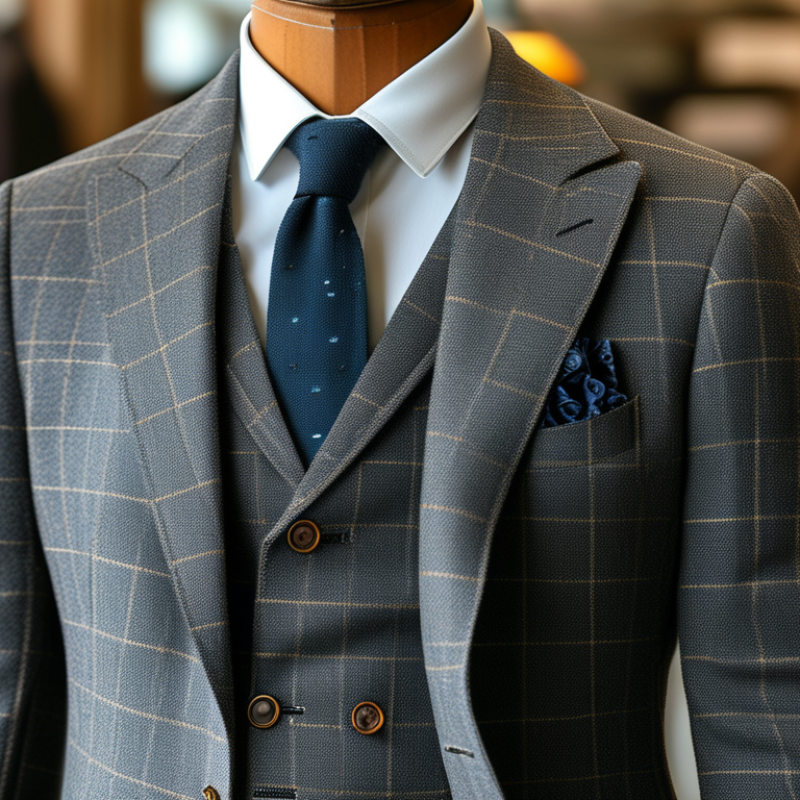
What Is Corporate Blazer Manufacturing and How Does It Work?

What Is Corporate Blazer Manufacturing?

Corporate blazer manufacturing is the controlled process of turning a design into professional workwear. It combines pattern engineering, fabric selection, tailoring, quality inspection, and production planning. A manufacturer studies the blazer’s purpose before cutting cloth. Office jackets may need breathability, wrinkle resistance, and comfortable movement. Formal uniforms may require sharper structure and repeated sizing.

The process usually begins with a technical drawing and measurement chart. Pattern makers shape the front panels, sleeves, collar, and lining. A sample blazer is then sewn and fitted on a model. Experienced teams check shoulder balance, sleeve rotation, pocket position, and button spacing. Small changes matter. A two-millimeter adjustment can improve comfort.

After approval, fabric rolls are inspected for shade, weaving faults, and usable width. Automated or manual cutting follows the approved patterns. Sewing operators assemble the shell, interlining, lining, and closures. Pressing gives the blazer its clean shape. Each finished piece should undergo measurements, seam checks, color review, and appearance inspection before packing.

Reliable manufacturing also depends on traceable records and consistent workplace procedures. Production managers monitor batch numbers, defect rates, and delivery schedules. Still, no process is perfect. Fabric may react differently after pressing, and fit can vary between body types. Careful factories review these problems instead of hiding them. That habit improves future patterns, training, and quality decisions.

How Are Corporate Blazers Designed and Materials Selected?

Corporate blazer design begins with the wearer’s daily routine, not just a fashion sketch. Designers study office movement, meeting schedules, climate, and expected wear frequency. A structured shoulder may create authority, but excessive padding can restrict arm movement. Fit comes first.

Pattern makers convert these decisions into measured panels, including the chest, waist, sleeve pitch, and back vent. Sample blazers are tested through sitting, reaching, and repeated buttoning. Experienced teams check collar balance, seam tension, and pocket placement under real working conditions. A drawing can look perfect.

Material selection depends on comfort, durability, appearance, and care requirements. Wool blends often provide shape retention and breathability, while polyester can improve abrasion resistance and reduce creasing. Recycled fibers may support material goals, but their hand feel and long-term performance need careful testing. Fabric weight also matters; a heavy cloth may drape well but feel uncomfortable in warm offices.

Lining, buttons, thread, and interlining influence the final result more than many buyers expect. A breathable lining can reduce cling, while poor fusing may cause bubbling after cleaning. Color is checked under indoor lighting, daylight, and photography conditions. Small details matter.

Manufacturers usually create a trial sample before bulk production. Wear testers record pressure points, heat buildup, and pocket access. Feedback can expose weak assumptions in the original design. A blazer that looks professional on a mannequin may fail during a long commute. Adjustments are then made to the pattern, fabric, or construction method.

Corporate Blazer Manufacturing: Material Selection

Fabric selection affects comfort, wrinkle resistance, breathability and drying performance. The chart compares typical moisture regain values for fibers commonly considered in blazer fabrics under standard textile-conditioning conditions.

Higher moisture regain generally indicates greater capacity to absorb water vapor, while lower values usually support faster drying. Actual performance depends on fiber blends, yarn structure, fabric weight and finishing treatments.

What Are the Main Steps in Blazer Production?

Corporate blazer manufacturing turns a design sketch into a structured, wearable garment. The main steps begin with product planning, fabric selection, pattern development, cutting, sewing, pressing, and inspection. A technical designer checks measurements, ease, lapel shape, pocket placement, and seam allowances. Small errors matter. A two-millimeter imbalance can change the jacket’s appearance.

The pattern is tested through a sample blazer. Fit technicians examine shoulder balance, sleeve movement, collar roll, and button position. They may revise the pattern several times. After approval, fabric layers are spread carefully and cut with automated or manual equipment.

Textile Exchange’s Materials Market Report 2024 states that global fiber production reached 124 million tonnes in 2023. It may reach 160 million tonnes by 2030. This pressure makes material planning and cutting efficiency increasingly important.

Sewing usually follows a controlled sequence. Workers join the front panels, construct the chest area, attach sleeves, and set the lining. Interfacing gives the lapel and front edge their shape. Pressing then defines clean lines without creating shine or distortion. Quality staff inspect measurements, stitching density, loose threads, stains, and functional buttons. A final fitting can expose problems that factory checks miss. That stage is often underestimated. Better documentation helps, but human judgment still matters. Not every faster process is an improvement.

How Are Corporate Blazers Customized for Brand Identity?

Corporate blazer manufacturing begins with a clear identity brief. The production team studies the organization’s colors, workplace culture, and daily movement needs. A blazer should look polished without feeling stiff. That balance is often harder than expected.

Customization usually starts with fabric selection. Wool blends provide structure, while stretch fibers improve comfort during commuting and long meetings. Designers then adjust the lapel, pocket shape, buttons, lining, and sleeve length. Embroidery or woven badges can add recognition, but placement must remain subtle. A small emblem near the chest often communicates more than a crowded design. Color matching requires physical fabric samples, not screen images. Digital colors can mislead.

Fit testing gives the brand identity practical form. Manufacturers create sample blazers in several sizes and review shoulder width, arm movement, and button tension. Staff members with different body shapes should test them. One sample may look excellent on a mannequin but fail during real work. That is a useful warning. Production teams also check seam strength, color consistency, and care-label accuracy before bulk manufacturing. Quality records, measurement charts, and documented approvals make the process more reliable. Still, customization should not become excessive. Too many decorative details can weaken a professional appearance and increase production errors. The strongest corporate blazer usually combines restrained styling, dependable construction, and details employees can wear comfortably.

How Are Quality Control and Order Fulfillment Managed?

Corporate blazer manufacturing depends on controlled quality checks, not only skilled sewing. Teams verify fabric weight, color, stretch, and shrinkage before cutting. Textile Exchange’s 2024 Materials Market Report estimated global fiber production at 124 million tonnes in 2023, with polyester representing about 59%. That scale makes material traceability essential. Each blazer should carry a batch record linking fabric rolls, trims, operators, and inspection results. Inspectors commonly use ISO 2859-1 sampling principles to assess stitching, measurements, stains, loose threads, and button security. Small details matter.

Quality control works in several layers. Inline inspectors examine shoulder seams and sleeve attachment during production. Final inspectors measure chest width, sleeve length, and jacket balance on a form. A digital photograph can document defects before packing. Still, sampling has limits. One missed measurement may affect an entire corporate order. Human judgment also varies between inspectors. Clear tolerance charts and periodic retraining reduce that risk, but they never remove it.

Order fulfillment begins after approved goods are counted and matched with the purchase order. Warehouses separate sizes, colors, and employee allocations before folding each blazer into protective packaging. Barcode scans can confirm carton contents and reduce manual errors. The 2024 MHI Annual Industry Report highlights continuing investment in automation and supply-chain visibility, showing why digital tracking is becoming practical for apparel operations. Reliable fulfillment also includes carton audits, delivery-date monitoring, and exception alerts. A rushed final dispatch can undo careful manufacturing.

What Is Corporate Blazer Manufacturing and How Does It Work? — Quality Control and Order Fulfillment
Manufacturing Stage Primary Data Dimension Typical Control Method Quality Criteria or Record Fulfillment Effect
1. Requirement Planning Style, size range, quantity, color, fabric, decoration, delivery date Approved technical specification, measurement chart, artwork file, and purchase-order review All specifications are documented before sampling; changes require written approval Reduces specification disputes, rework, and schedule changes
2. Fabric and Trim Sourcing Fiber composition, fabric weight, color, lining, buttons, labels, thread Material inspection, shade comparison, supplier certificates, and lot identification Materials match the approved standard; fabric rolls and trims remain traceable by lot Supports consistent appearance across repeat and bulk orders
3. Pattern and Sample Development Garment measurements, ease, pocket placement, lapel shape, sleeve length Pattern review, fit sample, measurement audit, and customer approval sample Sample is checked against the approved specification before bulk cutting Prevents large-scale production from beginning with incorrect proportions
4. Cutting Panel accuracy, fabric utilization, size separation, grain direction Marker review, cutting-ticket verification, and random panel measurement Panels are correctly identified, aligned, and cut without visible fabric damage Improves material yield and prevents mixed-size production errors
5. Sewing and Assembly Seam strength, stitch consistency, alignment, interlining, sleeve setting In-line inspection at critical operations and operator self-checks Seams are secure; key components are symmetrical; construction follows the approved sample Defects are corrected during production instead of after final packing
6. Pressing and Finishing Shape retention, wrinkle removal, lapel roll, edge appearance, loose threads Controlled pressing process, visual inspection, thread trimming, and stain check Garments are clean, properly shaped, and free from avoidable pressing or finishing defects Improves presentation and reduces returns caused by appearance issues
7. Measurement Inspection Chest, waist, shoulder, sleeve, body length, and tolerance by size Measurement table, calibrated measuring tools, and sampling plan Measurements fall within the buyer-approved tolerance for each size Helps maintain reliable fit across the size range
8. Visual and Functional Inspection Stains, holes, puckering, shade variation, buttons, zippers, pockets, labels Systematic inspection under suitable lighting, with defects classified by severity Major defects are repaired or rejected; critical safety or identification issues are not released Prevents nonconforming garments from entering finished-goods inventory
9. Final Quality Release Inspection result, approved quantity, carton quantity, size breakdown Final inspection report, quantity reconciliation, and release authorization Released only after approval Connects quality status with warehouse and shipping instructions
10. Packing and Labeling Folding method, garment protection, size labels, carton marks, packing list Packing checklist, barcode or SKU verification, and carton-count check Each unit and carton is identifiable and matches the approved packing instructions Reduces picking errors and simplifies receiving at the destination
11. Warehouse Order Allocation Available quantity, size and color breakdown, order priority, destination Inventory record, order-picking list, and scan or manual double-check Picked goods match the sales order and released inventory status Improves order accuracy and prevents unauthorized shipment of held goods
12. Shipment and Documentation Carton count, gross weight, dimensions, shipping address, commercial documents Dispatch checklist, carrier booking confirmation, and document reconciliation Physical shipment details agree with the packing list and transport documents Supports smooth carrier handover and customs or receiving procedures
13. Delivery Tracking Tracking number, dispatch date, estimated arrival, delivery confirmation Carrier tracking review and exception notification Shipment status is recorded from dispatch through confirmed delivery Enables proactive management of delays, loss, or address issues
14. Post-Delivery Feedback Defect type, return reason, quantity affected, delivery performance Corrective-action report, complaint analysis, and supplier or process review Recurring issues are documented and assigned for corrective action Improves future production accuracy and fulfillment reliability

FAQS

: What is corporate blazer manufacturing?

: It is the controlled process of turning a workwear design into finished blazers. It includes patterns, fabrics, sewing, pressing, inspection, and production planning.

How does blazer design begin?

Designers study daily movement, office climate, meeting schedules, and expected wear frequency. Fit comes first.

What happens before bulk production?

Pattern makers create a technical drawing and measurement chart. A sample blazer is sewn, fitted, and tested before approval.

How are blazer patterns checked?

Teams review shoulder balance, sleeve rotation, collar position, pocket placement, and button spacing. Tiny changes matter.

Which fabrics are suitable for corporate blazers?

Wool blends can offer breathability and shape retention. Polyester may improve abrasion resistance and reduce creasing. Every fabric still needs testing.

Why do lining and interlining matter?

A breathable lining can reduce cling and heat buildup. Poor fusing may cause bubbling after cleaning.

How are samples tested in real conditions?

Wear testers try sitting, reaching, commuting, and repeated buttoning. They record pressure points, pocket access, and comfort.

How is blazer quality inspected?

Inspectors check measurements, seams, color, fabric faults, pressing, and overall appearance. Records may include batch numbers and defect rates.

Can a professional-looking blazer still have problems?

Yes. A mannequin cannot show every body type or working movement. No design is flawless.

What happens when production problems appear?

Careful teams review the cause instead of hiding it. They may adjust patterns, training, fabric choices, or construction methods.

Conclusion

Corporate Blazer Manufacturing is the organized process of creating professional blazers for companies, institutions, and workwear programs. It begins with understanding the client’s requirements, including intended use, preferred appearance, sizing range, budget, and delivery schedule. Designers then develop practical styles that reflect a professional image while supporting comfort and movement. Materials are selected according to durability, breathability, color consistency, maintenance needs, and seasonal use. Common options may include wool blends, polyester fabrics, cotton mixtures, or stretch materials.

Production usually involves pattern development, fabric inspection, cutting, sewing, pressing, and final finishing. Corporate blazers can be customized through colors, lapel shapes, buttons, lining details, embroidery, labels, and other approved identity elements. Quality control is maintained through inspections of measurements, stitching, fabric defects, color accuracy, and overall appearance. Before shipment, finished garments are sorted by size and style, carefully packed, documented, and checked against the order. This coordinated workflow helps ensure consistent quality, accurate customization, and reliable fulfillment for professional apparel programs.

Alexander

Alexander

Alexander is a professional marketing specialist dedicated to helping customers better understand innovative products, practical solutions, and the value they can bring to everyday business and operations. With a strong understanding of the company’s product portfolio, market trends, customer......