Industry Insights
Uniform Trends · Garment Manufacturing · Export Guides
How to Choose a Medical Scrubs Manufacturer?
Table of Contents
- Define Your Scrubs Requirements and Target Healthcare Users
- Evaluate Manufacturer Quality, Materials, and Production Standards
- Compare Customization Options, Minimum Orders, and Pricing
- Verify Certifications, Supply Capacity, and Delivery Reliability
- Assess Communication, Samples, Warranty, and Long-Term Support
- FAQS
- Conclusion
- Related Posts
Choosing a medical scrubs manufacturer requires more than comparing catalog prices. Healthcare uniforms face repeated washing, long shifts, body movement, and frequent contact with clinical environments. A reliable supplier should understand these daily pressures through practical experience. Medical Scrubs Manufacturing involves fabric selection, pattern development, stitching accuracy, quality control, and dependable delivery. Each stage affects comfort, durability, and professional appearance.
Look closely at the manufacturer’s samples. Check whether the seams remain flat after washing. Examine pocket strength, waistband recovery, color consistency, and fabric breathability. Ask for test reports, production records, and clear material specifications. Experienced manufacturers should explain their quality process without hiding behind vague promises. Their facility, trained staff, and inspection methods can reveal more than polished product photographs. Independent certifications may add confidence, but documents should be current and verifiable.
Communication also matters. Confirm sample timelines, minimum order quantities, customization options, and replacement procedures before signing an agreement. A dependable partner provides realistic schedules and reports problems early. Very low prices can be attractive. They may also indicate thinner fabric, rushed inspection, or unstable sourcing. That assumption is not always correct, so it deserves careful checking. Request a small trial order when possible, then evaluate the garments after actual use and laundering. The best manufacturer may not be the cheapest or the largest. It should consistently deliver safe, comfortable, well-made scrubs while responding responsibly when something goes wrong. Reliability is proven over time.

Define Your Scrubs Requirements and Target Healthcare Users
How to Choose a Medical Scrubs Manufacturer?
Define your scrubs requirements before contacting any manufacturer. Identify who will wear them: nurses, surgeons, technicians, dentists, or home-care teams. Each role creates different demands. Surgical staff may need breathable, low-lint fabric and secure pockets. Emergency teams often require stretch, strong seams, and fast laundering. Consider shift length, climate, gender-neutral sizing, and movement around beds or equipment. A practical requirement sheet prevents attractive samples from hiding daily problems.
Tips: Test samples during a full shift. Check pocket access while bending, fabric comfort under a warm uniform, and color stability after repeated washing. Measure shrinkage and inspect stitching near the waistband. Ask for fabric composition, weight, care instructions, quality-control records, and production lead times. A reliable manufacturer should explain tolerances clearly, not promise perfection without evidence.
Target users should guide every specification. Collect feedback from real wearers, including shorter staff and larger body sizes. One overlooked size can make an otherwise good uniform unsuitable.
We once treated stain resistance as the main priority, but several users valued quiet fabric and easier movement more. That mistake was useful. It showed why wearer trials matter more than assumptions. Select a manufacturer that can adjust patterns, document test results, maintain consistent sizing, and communicate honestly when a requirement increases cost or production time.
Evaluate Manufacturer Quality, Materials, and Production Standards
Choosing a medical scrubs manufacturer requires more than comparing catalog photos and quoted prices. Quality begins with consistent measurements, reinforced seams, and fabric that keeps its shape after repeated washing. Request production samples in several sizes. Inspect sleeve hems, pocket corners, drawstrings, and stitching under bright light. Small flaws often reveal larger process problems.
Material selection should match real clinical demands. A balanced blend of polyester and cotton can provide durability, comfort, and easier maintenance. Stretch fibers may improve movement, but excessive elasticity can reduce shape retention. Check fabric weight, colorfastness, breathability, and shrinkage after washing. Ask for test reports and sample-wash results, not only written claims. Details matter.
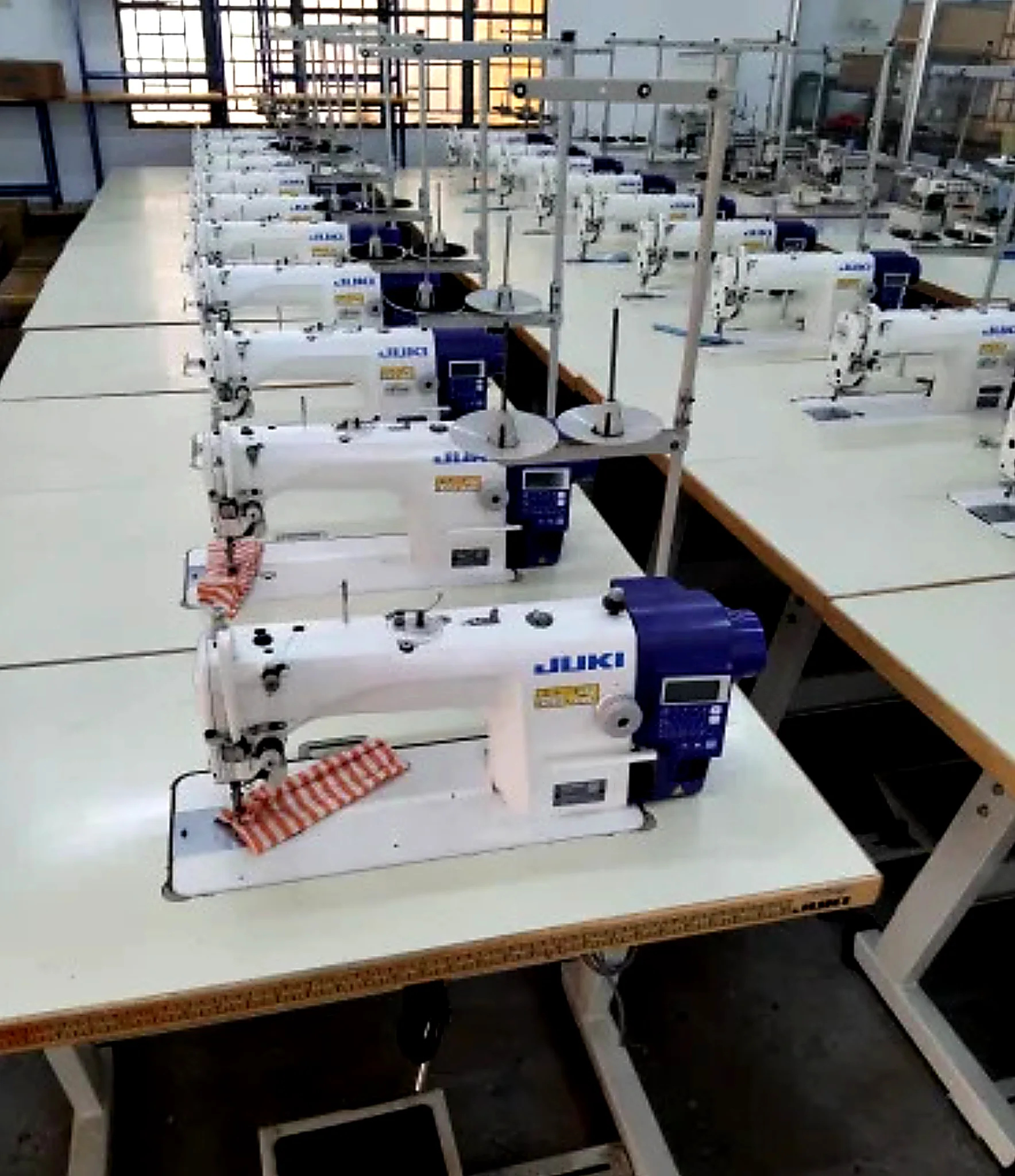
Production standards show whether quality can be repeated at scale. Review the manufacturer’s inspection checkpoints, worker training, equipment maintenance, and defect-handling process. Reliable factories should document incoming-material checks, cutting accuracy, sewing inspections, and final packing reviews. Traceable batch records also help identify problems quickly. A clean showroom proves little. The production floor matters more.
Do not overlook communication. Clear replies, realistic lead times, and transparent explanations usually indicate stronger control. However, even experienced manufacturers can miss a detail during sampling. Confirm measurements, labels, packaging, and approved colors in writing before bulk production. One practical mistake is trusting the first sample too quickly. Wear it, wash it, and inspect it again. Patient evaluation often exposes weaknesses that polished presentations conceal.
How to Choose a Medical Scrubs Manufacturer? - Evaluate Manufacturer Quality, Materials, and Production Standards
| Category | Evaluation Dimension | Recommended Benchmark or Requirement | How to Verify | Weight |
|---|---|---|---|---|
| Manufacturer Quality | Quality management system | A documented quality management system with controlled procedures for incoming materials, production, inspection, corrective action, and traceability. | Review a valid ISO 9001 certificate, audit scope, certificate validity, and recent corrective-action records. | 15% |
| Manufacturer Quality | Pre-production approval | Approved size set, color standard, measurement chart, construction details, labeling, packaging, and pre-production sample before bulk manufacturing. | Request signed approval records and compare the approved sample with the production specification. | 10% |
| Manufacturer Quality | Final inspection and defect control | Use a defined inspection plan covering fabric defects, stitching, measurements, shade variation, stains, loose threads, trims, and packaging. | Check inspection reports, defect classifications, sampling plans, and corrective-action follow-up. ISO 2859-1 may be used for attribute sampling. | 15% |
| Manufacturer Quality | Measurement consistency | Production measurements should remain within the buyer-approved tolerances for chest, waist, hip, inseam, sleeve, length, and key garment points. | Review a measurement inspection report and conduct random checks on multiple sizes from finished production. | 10% |
| Materials | Fiber composition and fabric weight | The actual fiber blend and fabric weight should match the approved specification and care label. Common scrub fabrics include cotton, polyester, rayon, elastane, or blends. | Verify fiber content through supplier documentation and laboratory testing such as ISO 1833. Confirm fabric mass using ISO 3801 or an equivalent method. | 10% |
| Materials | Colorfastness and color consistency | Fabric should resist color transfer and fading during washing, perspiration, rubbing, and exposure to light according to the buyer’s end-use requirements. | Request test results for washing, perspiration, rubbing, and light fastness using applicable ISO 105 methods. | 10% |
| Materials | Dimensional stability after laundering | Shrinkage and shape change should remain within the approved tolerance after the specified number of wash and dry cycles. | Review wash-test results based on the care instructions, using ISO 6330 laundering procedures where applicable. | 10% |
| Materials | Abrasion and seam durability | Fabric, seams, pockets, closures, and stress points should withstand repeated movement and laundering without premature failure. | Request abrasion results using ISO 12947 where relevant, plus seam strength and tensile-strength test reports. | 8% |
| Production Standards | Chemical and product safety | Materials should meet the chemical restrictions and product-safety requirements of the destination market, including limits for harmful substances where applicable. | Request current laboratory reports and verify testing against applicable legal requirements. A textile safety certification may provide additional evidence but does not replace legal compliance. | 7% |
| Production Standards | Traceability and production records | Each production lot should be traceable to fabric rolls, trims, work orders, inspection results, and shipment records. | Review lot numbers, purchase records, batch cards, inspection reports, and retention policies for production samples. | 5% |
| Production Standards | Capacity and delivery reliability | Capacity should match the required order quantity, size range, color range, and delivery schedule without reducing inspection or material standards. | Review documented production capacity, lead-time history, on-time delivery records, and contingency plans for material or equipment disruption. | 5% |
| Total Evaluation Weight | 100% | |||
Compare Customization Options, Minimum Orders, and Pricing
Choosing a medical scrubs manufacturer requires more than comparing a sample price. Customization changes the real cost. Embroidery, stretch panels, antimicrobial finishes, pocket layouts, and inclusive sizing each add production steps. In my sourcing experience, a polished sample can hide expensive revisions. Request a written specification sheet before approval.
Minimum order quantities deserve close attention. A factory may quote 100 sets per style, but require separate quantities for each color or size. That can leave a clinic with slow-moving lavender trousers and too few petite tops. The 2024 Textile Exchange Materials Market Report highlights continuing demand for traceable fibers, so ask how recycled or certified materials affect MOQ and documentation. Small pilots reduce inventory risk, although their unit prices may be higher.
Pricing should be compared line by line. Include fabric weight, testing, labels, packaging, freight, sampling, and remake terms. The U.S. Bureau of Labor Statistics projects healthcare employment to grow much faster than average through 2033, supporting long-term demand for workwear. Still, demand alone does not guarantee stable pricing. Cotton, polyester, labor, and shipping costs can move quickly. Ask for a three-tier quote, such as 100, 500, and 1,000 sets. Also request colorfastness and shrinkage results. Reports are useful. Physical evidence matters more. One overlooked detail? A cheaper fabric may feel uncomfortable after twelve hours.
Verify Certifications, Supply Capacity, and Delivery Reliability
A reliable medical scrubs manufacturer should prove compliance, not simply display certificates. Request scanned certificates, registration numbers, issuing bodies, scopes, and expiry dates. ISO 9001 supports quality management, while ISO 13485 may be relevant only when products fall within medical-device requirements. Scrubs are usually apparel, so avoid accepting irrelevant certificates. Contact the issuing organization when documents look unclear. Ask for proof.
Supply capacity needs physical verification. Request monthly production figures, cutting-line counts, trained sewing-worker numbers, and fabric inventory records. A factory may quote 100,000 sets monthly, yet its available capacity could be much lower during peak seasons. Visit the facility or arrange a live video audit. Review recent purchase orders, inspection records, and subcontractor controls. McKinsey’s 2020 report, Risk, Resilience, and Rebalancing in Global Value Chains, found that 93% of supply-chain leaders planned to increase resilience. That finding supports checking backup fabric suppliers and emergency production plans.
Delivery reliability should be measured through evidence. Ask for the last six months of on-time delivery data, not general promises. Confirm sample approval dates, production lead times, inspection windows, shipping terms, and delay-notification procedures. Require a written tolerance for color, sizing, stitching, and packaging. A practical test order can expose weak communication quickly. My caution is simple: an impressive factory tour does not guarantee consistent shipments. Recheck performance after the first order.
Assess Communication, Samples, Warranty, and Long-Term Support
How to Choose a Medical Scrubs Manufacturer?
Communication often reveals more than a polished sales presentation. Ask how quickly the manufacturer answers technical questions. Request clear information about fabric weight, sizing, colorfastness, shrinkage, and production timing. Ask precise questions. Reliable teams should explain limitations instead of promising everything. Keep written records of approved measurements and revisions. This prevents confusion when several people review the same order.
Samples deserve practical testing, not just visual approval. Wear the garments during long shifts, bend repeatedly, and fill every pocket. Wash them several times using the intended care instructions. Check seam strength, waistband comfort, fading, and drying time. A sample may look excellent but feel restrictive after eight hours. I have seen teams overlook pocket placement because the sample looked attractive on a table. That mistake becomes expensive at scale.
Warranty terms should identify covered defects, reporting deadlines, inspection steps, and replacement responsibilities. Do not accept vague promises about quality. Ask whether the manufacturer supports repeat orders, archived patterns, stable sizing, and future color matching. Long-term support matters when staff members need replacement garments months later. It also matters when a fabric becomes unavailable. A dependable manufacturer should suggest alternatives and explain the differences clearly. Their support should continue after delivery, when real problems appear.
FAQS
Request scanned certificates, registration numbers, issuing bodies, scopes, and expiry dates.
Ask for monthly output, cutting-line numbers, trained sewing workers, and fabric inventory records.
Request on-time delivery records from the last six months.
Ask about backup fabric suppliers and emergency production plans.
Ask clear questions about fabric weight, sizing, colorfastness, shrinkage, and timing.
Wear samples during long shifts and repeated bending.
Confirm covered defects, reporting deadlines, inspection steps, and replacement responsibilities.
Ask whether patterns, sizing, and approved colors can remain consistent.
Conclusion
Choosing the right medical scrubs manufacturer begins with clearly defining your product requirements and target healthcare users. Consider the expected work environment, garment styles, fabric performance, comfort, durability, sizing, and color needs. During the evaluation, review the manufacturer’s materials, quality control procedures, production standards, and experience in Medical Scrubs Manufacturing. A reliable partner should be able to provide consistent workmanship and practical solutions for different healthcare roles.
You should also compare customization capabilities, minimum order quantities, pricing structures, and production timelines. Verify relevant certifications, supply capacity, quality inspection processes, and delivery reliability before placing an order. Request samples to assess fit, stitching, fabric feel, and overall performance. Clear communication, responsive customer service, reasonable warranty terms, and dependable after-sales support are equally important. Selecting a manufacturer that combines quality, flexibility, transparency, and long-term cooperation can help ensure that your scrubs meet professional requirements while supporting stable business growth.

Blog Tags: